This guide explains how to evaluate Pmoc Abrava with an objective, industry-focused approach. It outlines what Pmoc Abrava typically refers to in procurement and processing contexts, how suppliers assess quality, and what due-diligence steps help you compare options. Background sections cover verification methods, documentation expectations, and practical requirements without relying on claims.

When buyers search for Pmoc Abrava, they’re usually trying to reconcile three things at once: consistent specifications, verifiable documentation, and reliable supply logistics. In an industrial purchasing workflow, the very critical decision is rarely the label—it’s the evidence a supplier can provide (e.g., certificates of analysis, traceability records, and specification alignment) and whether your internal acceptance criteria match the product you intend to use.
From an industry expert perspective, the right approach is a structured comparison: define your technical requirements first, then assess suppliers against measurable proof. This helps you reduce batch-to-batch variability risks and prevents mismatches between intended use and actual performance characteristics.
In practice, “confidence” comes from three layers of validation. First, confirm that the product description you receive corresponds to a specific, controlled grade (not merely a marketing term). Second, verify that each shipment is released against a method and acceptance window that you can interpret and—if needed—re-test. Third, ensure that supply continuity is supported by documented manufacturing controls, change notification, and traceability mechanisms. When those three layers are in place, you can confidently scale procurement without treating every order as an experiment.
Even if you already have a favorite supplier, it’s worth repeating this evaluation discipline. Product naming can drift across regions, distributors may re-label materials, and suppliers can introduce reformulation or sourcing changes while continuing to use a familiar shorthand. The safest procurement strategy is to treat “Pmoc Abrava” as an identifier that must be validated each time against your documented requirements.
The term Pmoc Abrava is often used as a shorthand reference in chemical supply chains, sometimes functioning as a product name, internal catalog code, or a shorthand for a specific processed material or precursor system. Because naming conventions differ across regions and catalog systems, procurement top practice is to treat the phrase as an identifier that must be validated against:
In other words, buyers should not assume that two listings with the same label necessarily represent the same grade or batch intent. A disciplined validation step—often before scaling use—is how professional teams avoid expensive operational surprises.
It can also help to separate “how suppliers label the product” from “what the chemistry actually is.” For example, some vendors may refer to a material by a legacy code, while others may describe it by a chemical family, functional group, or processing route. If your process is sensitive to trace impurities, residual solvents, moisture content, stereochemical composition, or byproduct profiles, then the only safe comparison is one grounded in the specification sheet and the COA method and results for the exact batch you receive.
Another common procurement nuance is distribution layers. A distributor might source from multiple manufacturing sites or consolidate inventory. Even if the distributor’s product name remains “Pmoc Abrava,” the underlying production site may change. Therefore, your validation should include the supplier identity, manufacturing location (where applicable), and how batch numbers map back to the original production record. Traceability is the bridge between what you ordered and what you actually received.
Quality is top evaluated through verifiable artifacts. For Pmoc Abrava sourcing, reputable suppliers typically support orders with documents that allow you to confirm that what you receive can reasonably meet your acceptance criteria.
In mature purchasing organizations, the “paper trail” is not treated as bureaucracy. It’s an operational safety net. When something goes wrong—unexpected impurities, failed identity tests, stability drift, or process performance issues—the documents you have today determine how quickly you can diagnose the root cause tomorrow.
Accordingly, the most productive approach is to align your internal QA requirements with what suppliers can reliably provide. If your acceptance criteria require specific impurity limits, then your COA must show the same impurity panel, with clearly stated methods and detection limits. If your identity verification requires a particular spectroscopic check, then you must confirm that the supplier’s method is fit for purpose or prepare to do your own identity confirmation on receipt.
When reviewing a COA for Pmoc Abrava, don’t only check whether a value “looks good.” Instead, check whether the supplier provided:
From an industry viewpoint, COAs are only as useful as their method transparency and alignment with your downstream requirements.
To evaluate COAs more rigorously, teams often apply a “readability and fitness-for-purpose” check:
It’s also worth verifying whether the supplier distinguishes between test performed and test not performed but assumed. Some documents may show “typical results” or “reference data” rather than actual batch testing. For quality assurance, you want the former.
Finally, pay attention to the completeness of the COA. A COA that includes only a purity number without impurity panel coverage might be insufficient if your downstream reaction is impurity-sensitive. Conversely, a COA that includes an extensive impurity list but lacks method details may still be hard to use for internal release decisions. Your review should balance both completeness and interpretability.
Even when a supplier has strong overall quality performance, consistency is what protects your production schedule. Ask how they maintain traceability for Pmoc Abrava: raw material sourcing controls, production batch documentation, and release criteria.
If you’re switching suppliers, consider a structured “qualification” plan (sample receipt, analytical screening, and small-scale compatibility checks) rather than relying solely on paperwork.
Traceability is more than a batch number printed on a label. It’s the ability to demonstrate that the batch you used can be tied to manufacturing records, test results, and the exact configuration of the production process. In chemical supply chains, traceability is what enables targeted investigations if a batch fails an identity test or deviates in performance.
When you ask about traceability, you can request answers in practical terms:
If your production is regulated or audit-friendly documentation is required, you may also need confirmation of their quality management system. For example, whether they follow a formal quality framework and whether their release testing is documented and reviewed. Even if you don’t require certifications explicitly, asking for an explanation of traceability and release logic helps you predict how the supplier will behave during exceptions or investigations.
From a batch-to-batch perspective, it’s useful to review historical COA patterns from prior shipments (if available through a supplier or your own receiving records). Look for trends such as impurity levels creeping upward, identity test consistency, and any shifts in key parameters that might indicate process evolution. If you see drift, you can tighten your internal receiving tests and require improved vendor change notifications.
Supplier choice for Pmoc Abrava should be grounded in criteria that procurement, QA, and operations can jointly agree on. The goal is not to “pick the low price quote.” Instead, it’s to select the vendor whose supply chain and quality system reduce operational risk.
Objectivity means using a repeatable scoring or decision method. In many organizations, this takes the form of a supplier scorecard that includes both quality and delivery performance, plus the practical ability to provide documentation on time. A vendor can be technically capable but operationally unreliable, and those operational failures often cost more than small unit price differences.
To evaluate objectively, make sure every supplier is evaluated against the same requirement set. If suppliers respond with different specification versions, different COA formats, or different documentation completeness, then your scoring system should capture that inconsistency. It’s not only whether they can provide quality; it’s whether they can do so consistently and transparently.
To make these criteria actionable, you can turn each into a measurable request during vendor qualification. For example:
Another factor is whether suppliers are proactive about risk. A high-quality supplier will often recommend receiving checks, highlight known stability concerns, and provide guidance about storage or handling to protect performance. This doesn’t replace your internal QA obligations, but it can reduce avoidable issues.
You requested “price information,” but no numeric price or currency was provided in the input. In professional procurement practice, pricing for materials like Pmoc Abrava can vary by:
Therefore, the very objective method is to request itemized quotes from identified suppliers that explicitly state: unit price, packaging size, total cost to your dock, lead time, and included documentation. Once you have that, you can compare on total landed cost and quality alignment rather than single-number price.
Because your earlier prompt did not include currency or numeric pricing, the best way to obtain price information is to ensure that every quote is comparable. Quotes become non-comparable when suppliers provide different grades under the same name, include different documentation sets, or apply different shipping conditions. A quote that is “cheaper” might actually be more expensive once you include the cost of delays, failed receiving tests, rework, or expedite freight.
In a well-structured process, you’ll ask for:
Then you compare based on total landed cost and risk. Risk can be quantified through scoring: for example, assign penalties to missing documentation, high variability history, or uncertain change control. This transforms “price shopping” into a procurement decision you can defend internally.
Materials referenced as Pmoc Abrava may require controlled handling depending on their chemical nature and intended use. Because product composition and hazard classification can vary across grades, the reliable approach is to follow the supplier’s Safety Data Sheet (SDS) and handling instructions for the exact grade you purchase.
From an expert standpoint, operational readiness includes:
Even if your purchasing team focuses on documentation and supply continuity, operations ultimately determine whether you experience delays, contamination, or safety incidents. Therefore, the most successful procurement processes involve operations early—particularly during qualification—so that handling requirements are confirmed before production schedules depend on the material.
Operational requirements can be divided into three practical layers:
If you routinely handle moisture-sensitive or light-sensitive chemistries, you may need additional internal controls beyond the SDS, such as a receiving procedure that assesses whether containers arrived intact, and storage procedures that minimize time outside controlled conditions.
Receiving checks are especially important when you cannot afford to hold a line. Typical receiving checks include verifying container count and condition, confirming labeling matches batch numbers, confirming SDS version currency, and confirming that the COA corresponds to the batch number on the label. If these checks fail, you should have a documented escalation route: quarantine, notify QA, request clarification from supplier, and decide whether re-test or return is necessary.
This section translates procurement top practice into a practical sequence you can apply immediately when sourcing Pmoc Abrava.
The steps below are intentionally written as a “repeatable workflow.” That means you can use them for first-time sourcing, supplier switching, or periodic re-qualification when specs or supply conditions change.
Document what “good” means for your use case:
To make this step robust, you should also include:
When requirements are clear, suppliers can respond accurately and you reduce the “back-and-forth” that often delays procurement. More importantly, clear requirements reduce the chance that you receive something that technically matches a supplier’s description but does not meet your internal needs.
Ask each supplier for the same information set. In many organizations, QA requests documents first while procurement requests commercial terms simultaneously. This reduces delays later.
When you request documentation in parallel with commercial terms, you avoid a common failure mode: you spend time evaluating price while ignoring whether the supplier can actually provide the required evidence. Later, you discover that their documentation pack is incomplete, or their COA lacks critical method details. By then, you’re often too late to pivot without causing schedule disruption.
A parallel request should specify:
Even if you do not have a formal “document pack template,” you can structure your email or request form so each supplier provides the same fields. This improves comparability and speeds up QA review.
If the material is critical, run a qualification plan:
A qualification plan is not only about passing or failing a test; it’s also about building evidence. You want to confirm that:
Qualification can be lightweight or extensive depending on your risk. If your process performance is robust and historical variability is low, you might perform limited analytical screening. If your process is sensitive—such as requiring tight impurity control or demanding consistent reaction outcomes—then a fuller qualification is appropriate.
You can also incorporate a “documentation qualification.” In addition to analyzing the sample, require that the supplier provides a COA that maps to the sample batch number, includes method details, and that the SDS matches the purchased grade. This prevents a frequent mismatch where the supplier provides a generic SDS or an older COA format.
In practice, the “top” supplier is the one that consistently meets your acceptance criteria with predictable lead time and complete documentation. Use a weighted comparison that includes quality evidence and logistics reliability for Pmoc Abrava.
To support defensible decisions, consider a weighted model that includes:
Then, set a rule: if a supplier fails critical evidence thresholds (e.g., missing identity method, no impurity panel, lack of batch traceability), they do not move forward regardless of price. This is a common and effective way to prevent “lowest-cost but highest-risk” outcomes.
When a relationship is established, maintain control: periodic review of COAs, spot-checking where justified, and change-notification handling. Ask how suppliers report specification changes or manufacturing route updates.
Ongoing monitoring should not be static. You should adjust the frequency and depth of receiving checks based on performance history. For example:
Change management is a major driver of long-term success. Many process failures arise not from a supplier producing bad material, but from an undisclosed change in manufacturing route, raw material source, or process parameter that subtly shifts impurity profile or physical properties. A strong supplier will proactively notify changes and provide revised documentation with clear explanation and, often, comparative data.
Internally, you should also document your own tolerance and response strategy. For example: if the supplier notifies a spec update that remains within your acceptance range, you might proceed with normal receiving checks. If the spec update affects a CTQ parameter, you might quarantine and run enhanced verification testing.
The following table is a practical supplement that teams often use when comparing potential sources of Pmoc Abrava. Replace placeholders with the exact supplier-provided details for your specific order.
| Evaluation item | What to request/verify | Acceptable condition examples | Why it matters |
|---|---|---|---|
| Product identification | Exact grade/specification sheet; identity verification method | COA clearly matches your required identity test method | Prevents mismatches across similarly named listings |
| Purity/spec compliance | Assay/purity range and test method; impurity limits where relevant | Measured values fall within your defined acceptance thresholds | Reduces process variability and downstream quality drift |
| Traceability | Batch number traceability to manufacturing records | Batch documentation consistently aligns with shipment labels | Supports investigations if quality issues arise |
| Documentation completeness | COA/CofA, SDS, and any required declarations | Files are delivered before or with the shipment | Enables safe handling and QA sign-off |
| Packaging and stability | Container type, closure integrity, storage instructions | Packaging matches SDS guidance; no evidence of damage on receipt | Limits contamination and shelf-life loss |
| Logistics and lead time | Incoterms, dispatch timelines, transport conditions | Delivery schedule supports your production planning window | Reduces downtime and expediting costs |
| Change control | How the supplier communicates manufacturing/spec changes | Supplier provides advance notice and revised documentation | Maintains continuity in qualification and approvals |
| Quality release criteria | What tests are used for release; internal review process | Supplier has defined release tests matching COA structure | Improves predictability and reduces risk of “unreleased” material |
| Return/refund/issue handling | Corrective action and replacement policy if issues occur | Supplier supports investigation and provides CAPA documentation when needed | Reduces downtime and prevents repeated failures |
No specific city or country was supplied in the keywords. If your sourcing activity targets a particular region, consider local language requirements on paperwork (labeling and SDS format), local receiving practices, and internal compliance norms. When a keyword includes a city/country placeholder, your instruction is to replace it with “nearby.” If you share the actual location text you intended, I can tailor the narrative to regional shipping lanes, warehouse practices, and documentation expectations.
Localization matters in several ways. First, SDS format and language requirements can affect how quickly your EHS and warehouse teams can approve the material for safe handling. Second, import documentation expectations can influence lead time—especially if specific country-of-origin declarations or additional certificates are commonly requested. Third, labeling compliance can determine whether your receiving process passes without hold.
If you operate across multiple geographies, you should ensure your procurement requirements include a “minimum documentation set” plus the local equivalents required in each destination. For example, if your facility requires SDS in a specific language or requires particular declarations for hazardous goods compliance, add that explicitly during quoting and document pack requests.
In many chemical and specialty manufacturing environments, the highest-impact risks are often operational rather than purely technical: documentation delays, inconsistent specs, unclear grade equivalency, and handling errors. Professional teams counter these risks by formalizing an internal “approved supplier” process and by requiring a consistent document set for each batch.
Rather than relying on vendor descriptions alone, QA and procurement teams usually:
This is particularly important when Pmoc Abrava functions as a specific grade or processed designation where “close enough” naming can hide meaningful differences.
Another risk-reduction pattern involves establishing internal “spec mapping.” Sometimes, suppliers provide their own naming or spec document structure. Buyers may need to translate those documents into their internal acceptance framework. For example, a supplier might list impurity A and impurity B using their internal nomenclature, while your acceptance criteria refer to different names or measured forms. Spec mapping prevents confusion and avoids the scenario where you accept a COA because it contains the right numbers, but not the right parameters.
Operational risk reduction also includes controlling how receiving teams handle batch quarantine. Many organizations benefit from a “stop the line” concept for CTQ parameters. If identity fails, the material is quarantined immediately. If documentation is missing, QA signs an approval hold until documentation arrives. If stability concerns exist, the receiving team checks container integrity and storage instructions before releasing material for use.
To make these controls sustainable, you need clear roles and escalation pathways. Procurement asks questions and enforces quote comparability; QA validates documents and performs testing; operations ensures safe handling and verifies storage conditions; and logistics ensures transport conditions and correct labeling. When these roles are clear, the supply chain becomes predictable rather than reactive.
No. Even when the label looks identical, suppliers may use different grades, specifications, or catalog naming conventions. Request the exact specification sheet and COA for the specific batch you intend to buy, and confirm identity and relevant spec points.
To reduce ambiguity, you can ask suppliers to provide the specification sheet title, revision number, and document date. If multiple revisions exist, ensure you’re comparing the same revision set. Also ask whether they can provide a “batch certificate” that shows how the batch is manufactured and released against the referenced specification.
At minimum, ask for a COA/CofA tied to the batch number and an SDS for the exact product/grade. If your process is sensitive, request impurity/spec coverage aligned with your acceptance criteria.
In many environments, a good practice is to request a “documentation pack” that includes COA, SDS, and any required declarations at the time of shipment or before shipment. If declarations are only available upon request after delivery, you may want to tighten expectations since QA cannot always approve without timely documentation.
Compare on total landed cost and comparable packaging. Ensure quotes include the same grade/specification, shipping terms, and documentation requirements. Then compare lead time and risk factors—unit price alone is rarely sufficient.
If packaging sizes vary, normalize the comparison to cost per usable mass or volume, not cost per container. Also consider whether the supplier offers stability or shelf-life commitments—these can shift the practical value of the material and affect yield or disposal risk if material ages before use.
For critical inputs, yes. A qualification batch or sample-based verification helps confirm identity, key specs, and compatibility with your handling and process conditions.
Even if you qualify, continue to monitor ongoing shipments. Qualification tests are a snapshot; ongoing controls confirm that the supplier maintains consistency. If the supplier has limited history with your organization, you may also require additional spot checks for early production runs.
Typical issues include mismatched packaging/labels, missing or late COAs, incomplete documentation sets, and deviation between expected and actual spec or grade. A standardized receiving checklist helps prevent these issues.
Other recurring issues include COAs that reference the wrong batch number, SDS versions that do not match the product grade, and shipment containers that arrived damaged or leaking. Each of these can be mitigated with clear receiving procedures and immediate escalation to QA and supplier management.
Supplier data can be valuable, but professional practice is to verify against your acceptance criteria—especially when process sensitivity is high. Use COAs and, when justified, analytical screening on receipt.
Some organizations establish a “two-tier release” policy: low-risk parameters are released based on supplier COA, while CTQ parameters are verified by internal testing for each batch (or for a defined sampling frequency). This balances cost with safety and performance assurance.
Ask for change notification procedures and updated documentation. For regulated or process-critical environments, treat changes as a new qualification trigger until you confirm continued compliance.
Change notification should include what changed, when it changed, what documentation is updated, and whether there are comparative data or stability/performance assurances. If a supplier cannot provide a clear change control narrative, that is itself a quality risk signal.
Storage requirements depend on the exact grade and chemical nature. Follow the SDS and supplier storage/handling instructions for the specific batch you receive.
In addition, ensure your warehouse can implement the storage conditions. If the SDS requires a specific temperature range or moisture exclusion, confirm that your storage area has the capability to maintain those conditions and that your receiving team can label stock in a way that triggers correct storage practices.
Sourcing Pmoc Abrava effectively is about building a repeatable decision process: define your technical requirements, demand verifiable documentation, qualify when necessary, and evaluate suppliers on total risk—including traceability, lead time, and specification consistency. When you adopt this approach, you move from reactive purchasing to controlled, audit-friendly procurement.
Repeatability means you can scale sourcing efforts across time and across vendors without losing confidence. It also means that if something fails—whether an identity test, an impurity limit, or a logistics-related delay—you have clear documentation and decision logic to respond quickly.
If you want, share the exact product description you saw (or the specification headings you received) and your target application context. I can help you draft an internal requirement checklist and a supplier comparison scorecard tailored to your process.
Striking the Perfect Balance: Navigating Premiums and Out-of-Pocket Expenses in Senior Insurance Plans

Explore the Tranquil Bliss of Idyllic Rural Retreats

How to Make Lasting Memories at Disneyland Attractions

Affordable Phones and Plans for Seniors

Affordable Full Mouth Dental Implants Near You

Unlock the Top Kept Secrets to Finding Your Ideal Dentist for Flawless Dental Implant Results!

Discovering Springdale Estates

Unveiling RS Sul Telecom Services

The Guide to Car Trading

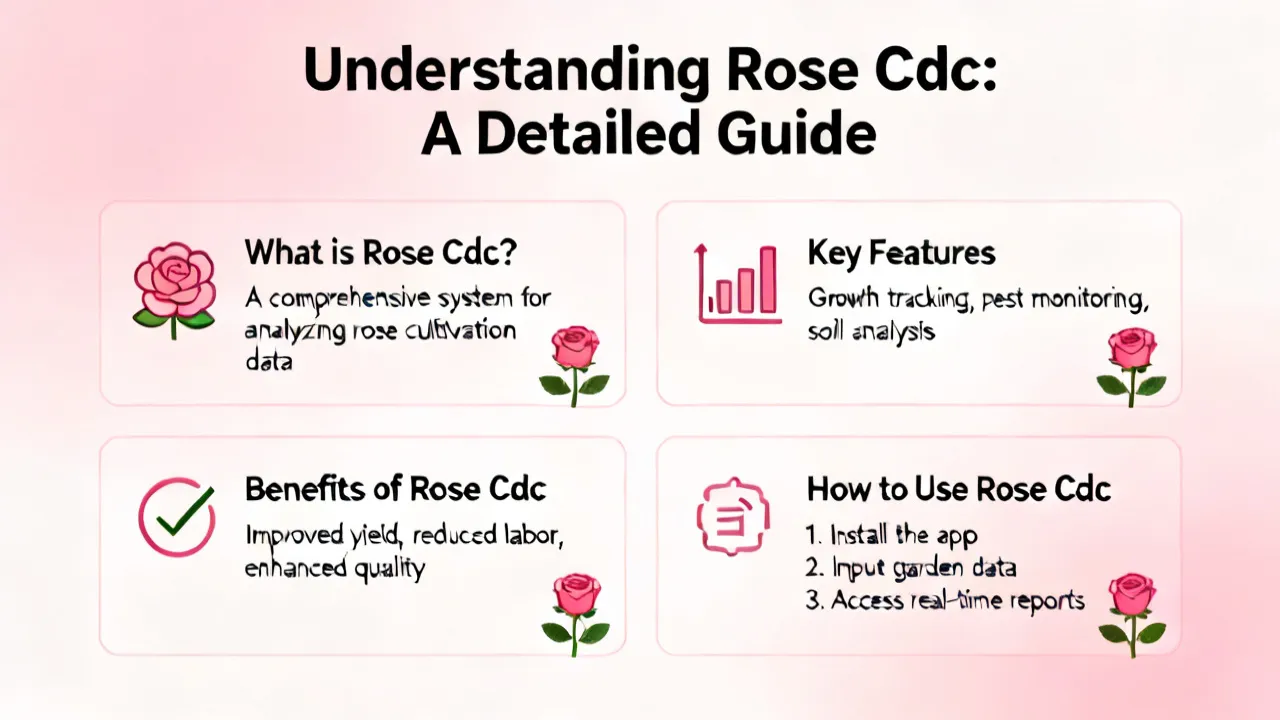
Understanding Rose Cdc: A Comprehensive Guide
This article provides an in-depth exploration of Rose Cdc, a term rapidly gaining attention in specific industries. Our discussion delves into the significance and application of Rose Cdc, its potential impact on various sectors, and expert insights into its future developments. This comprehensive analysis is designed to inform readers about the multifaceted aspects of Rose Cdc, its current applications, and potential advancements.

Understanding Compliance and AML Strategies
This article delves into the intricate realm of Compliance and Anti-Money Laundering (AML) strategies, highlighting their significance in the corporate world. Compliance AML refers to the organizational adherence to legal standards and regulations to deter financial crimes, ensuring transparent and ethical financial practices. This comprehensive guide examines these strategies' complexities and their pivotal role in safeguarding economic integrity.

Mastering Inbound B2B Strategies
The foundation of successful B2B strategies often lies in the effective implementation of inbound marketing techniques. In today's globally connected business environment, inbound B2B strategies have become critical for companies seeking to engage target audiences, optimize lead generation, and establish long-lasting partnerships. Understanding these strategies is essential for companies aiming to thrive in competitive markets.

Exploring B2B MBA Opportunities
Dive into the dynamic world of B2B MBA programs, designed for professionals seeking to enhance their strategic and management skills in a business-to-business context. This comprehensive guide discusses the significance of B2B MBAs in today's market, highlighting how these programs equip leaders with the expertise to navigate complex B2B relationships and drive business success.

Understanding Whitewater Regenerative Blowers
Whitewater Regenerative Blowers are essential in various industrial applications for their efficiency in moving air and gases. These blowers are known for their durability and ability to operate continuously, making them a preferred choice for industries ranging from wastewater treatment to aquaculture. This article explores their features, benefits, and applications, offering readers a comprehensive understanding of their importance in modern industry.

Mastering Employee Retention Strategies
Employee retention has become a critical aspect of organizational success, particularly in the dynamic landscape of 2020. As businesses strive to maintain a stable and productive workforce, understanding effective retention strategies is essential. This article delves into key methods for enhancing employee satisfaction and retention, offering a comprehensive guide for HR professionals and business leaders alike.