Learn how to choose Ceewhy Dresses by focusing on fit, fabric, tailoring, and purchasing conditions. This guide explains what the “Ceewhy Dresses” term typically covers in the market—an assortment of women’s apparel positioned around contemporary styling. It also reviews supplier considerations and practical requirements that help buyers compare options objectively.
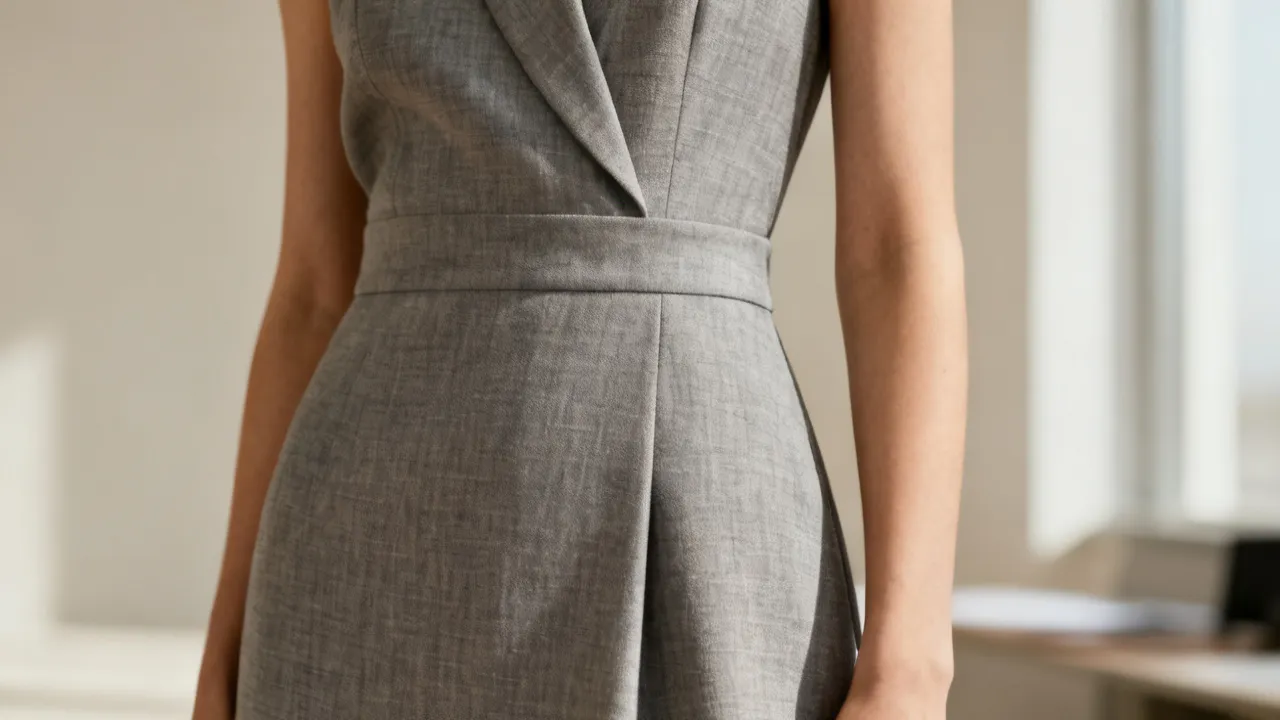
Choosing the right Ceewhy Dresses starts with a clear, practical checklist. From an industry perspective, the top outcomes for buyers usually come from aligning three factors early: how the dress fits your body, how the fabric behaves over time, and how transparently the supplier documents quality and fulfillment conditions. When these elements are verified before purchase, shoppers reduce the risk of size mismatch, fabric disappointment, or return friction.
In today’s online apparel market, “Ceewhy Dresses” often functions as a brand or product-line label you’ll encounter across retail listings. The challenge is that naming alone rarely guarantees consistent construction, material sourcing, or workmanship. That’s why you’ll want to treat each listing as a distinct product offering—even when the name appears the same.
In practice, the “right” dress for you is rarely the absolute best among all options. It’s the best match among the options that respect your constraints: your measurements, your comfort preferences, the event context, your willingness to care for delicate fabrics, and your tolerance for returns. That’s why a structured buying approach matters: it turns a potentially frustrating search into a set of decisions you can repeat with less uncertainty.
“Ceewhy Dresses” is commonly used as a shorthand for a set of dress styles associated with a particular seller or branded catalog. In practice, buyers may see different dress categories under the same umbrella term—such as day dresses, office-ready silhouettes, casual occasion wear, or event dresses—each with its own tailoring approach and fabric composition.
From a merchandising standpoint, product-line labels like this often help shoppers narrow choices quickly. Yet they can also mask meaningful variation in:
Therefore, the very reliable way to evaluate Ceewhy Dresses is to review the listing details carefully rather than relying on the label alone.
It can be helpful to think of “Ceewhy” not as a single guaranteed garment, but as a “container” that holds different manufacturing runs. Even when the visual silhouette is similar, factories may use different lots of fabric, adjust pattern grading, or apply different finishing techniques. If you treat each product page as its own mini-spec sheet, you’ll be more likely to predict what you actually receive.
Industry buyers—whether working in e-commerce, wholesale, or retail—often assess a garment through “visible and documented signals.” For Ceewhy Dresses, the very meaningful signals tend to be:
Before we dive into each signal, it’s worth noting that “quality” in apparel is multi-dimensional. A dress can look great in photos but fail in wear if the fabric pills, the seams pull under stress, or the hem loses shape after a few washes. Conversely, a dress that seems simple can outperform expectations if the construction and fabric stability are strong. Your checklist should aim to detect both the immediate look and the long-term behavior.
Check whether the listing specifies a fiber blend and whether it includes guidance on stretch, drape, and care. If the fabric is described only in vague terms, treat it as a risk flag. A quality dress listing usually provides enough information for you to anticipate how it will move and last.
When a listing includes composition—like “polyester with elastane,” “cotton blend,” or “viscose with structured lining”—it’s not just a technical detail. It helps you predict:
Also consider how the fabric’s properties interact with the dress design. For example, a fitted bodice usually requires fabric with either stable structure or thoughtful pattern shaping. A loose, swingy skirt can hide minor inconsistencies, but it still depends on fabric weight and hem finishing.
Even without touching the item, you can often infer finishing standards from clear photos: straight and even seams, consistent hem width, and no visible loose threads. For structured silhouettes, look for credible seam reinforcement around waistlines and closures.
Seam quality is one of the earliest indicators of durability. In many manufacturing settings, seam reinforcement and stitch density correlate with how the garment will handle stress points such as:
Look at photos for how the hem sits. A consistent hem suggests the fabric was cut and finished carefully. A hem that looks uneven or “wavy” can indicate rushing, inaccurate cutting, or fabric that frays easily without proper finishing.
Sizes can be inconsistent across manufacturers. A reliable approach is to compare the seller’s size chart with your body measurements. Pay attention to areas that typically vary—bust ease, waist shaping, hip circumference, and shoulder alignment.
Fit architecture refers to how the pattern is drafted—not just the numeric size. Two dresses labeled “Medium” can be very different if one provides more bust ease, uses a different shoulder width, or has a different waist curve. When Ceewhy Dresses listings include specific measurements (not just “S/M/L”), you can estimate the fit more accurately.
If you don’t have exact measurements, you can still improve your odds by using a “measurement hierarchy.” For fitted dresses, prioritize bust and hip fit. For shift-style dresses, length and shoulder fit can matter more. For tailored office dresses, waist shaping and sleeve/armhole proportions become especially important.
When you’re between sizes, don’t just guess. Instead, consider the dress’s design behavior:
Zippers, buttons, and back ties all change the comfort experience. For example, a zipper placed too high can restrict posture; buttons without a proper placket may gap. Look for photos that show the closure area from multiple angles when available.
Closures also affect how quickly you can dress and undress yourself. If the dress is for an event where you’ll be dressing in a tight timeframe, zipper access and overall opening size can matter. Additionally, check for:
A “beautiful” design can still be uncomfortable if the closure causes friction or if the seam finish around the closure is rough. Photo close-ups and accurate product descriptions are your best tools to evaluate that before purchase.
When buyers search for Ceewhy Dresses, they often focus on price first. Price is useful—but it’s not a complete quality measure by itself. In apparel, pricing typically reflects a combination of:
Instead of relying on a single number, compare the cost-to-specs. For example, two dresses with similar appearance can differ significantly if one is lined and the other is not, or if one includes higher-quality zipper hardware.
Important: Because you did not provide specific price figures, this guide does not insert unverified pricing. For accuracy, review the exact listing price you’re considering and compare it to the stated materials, construction details, and return conditions.
One practical way to interpret price is to break it down into “what you’re paying for.” If a dress has visible benefits—like full lining, detailed seam construction, and clear fabric composition—then the cost may reflect real added value. If those benefits are missing or described vaguely, a low price may be appealing, but it can also mean less stable fabric, fewer finishing steps, or limited quality control.
It’s also worth considering your “wear frequency.” If you plan to wear the dress once for a special occasion, the threshold for fabric longevity may be lower than it is for an office staple you’ll repeat weekly. That doesn’t mean you should ignore quality, but it helps you decide which trade-offs are acceptable.
For Ceewhy Dresses, supplier details matter because they influence product consistency and post-purchase support. When evaluating a supplier, prioritize information that clarifies:
As an industry top practice, look for listings that present enough detail to demonstrate accountability. A supplier that documents fabric composition, care instructions, and size charts generally provides a more predictable experience than one that leaves everything to guessing.
In e-commerce, transparency often correlates with operational maturity. Suppliers that are clear about shipping timelines usually have better inventory management and fewer surprises. Suppliers that specify return rules and garment condition requirements tend to reduce disputes because customers understand expectations before purchasing.
You can also evaluate trustworthiness by looking at how the listing handles variation. For instance, reputable sellers often clarify:
If you see vague claims without measurement details, it’s a sign to be more cautious and rely on return policy coverage.
Since Ceewhy Dresses can include multiple style types, it helps to match the dress category to the event and your comfort priorities.
Dress selection is not only about aesthetics—it’s about practicality. An event dress may need photo-ready structure. A casual dress may need breathable movement. An office dress may require fabric stability and a clean silhouette under everyday activity (sitting, standing, commuting).
For daytime use, focus on breathable fabrics, practical seams, and forgiving fit. A dress that drapes well typically feels more comfortable for walking and everyday movement.
In casual scenarios, the biggest friction points are often:
Casual dresses benefit from a slightly relaxed construction that allows you to move without constant adjustments. If the listing notes “lightweight,” “breathable,” or “soft touch,” those descriptions are usually worth checking against fiber composition to see whether they make sense.
Office-ready dresses benefit from more structured styling: modest necklines, stable waist shaping, and fabric that holds its form. If you prefer polished looks, look for designs with clean finishing and consistent lining.
For office wear, your priorities often include:
Structured fabrics and well-finished seams are helpful because office environments involve repeated posture changes. A dress that wrinkles heavily can appear sloppy quickly, even if the initial appearance is attractive.
Also consider the office dress code. Some environments require specific coverage or color neutrality. If you’re unsure, choose conservative necklines and fabrics with dependable opacity rather than thin, highly drapey materials that may show under-layers.
For events, shoppers often care about silhouette and photo-ready appearance. Verify whether the dress includes supportive seams or lining to maintain the intended shape without clinging excessively.
In event settings, fit matters not only for comfort but for how the dress photographs. A dress that is slightly off in the shoulder or waist position can alter the silhouette significantly in pictures. Event dresses also often need to feel secure while you move—especially when you sit, dance, or take photos for extended periods.
For special occasions, consider looking for:
If the listing indicates a delicate fabric, it may look luxurious but require careful handling. Events are time-sensitive, so it can be safer to choose a dress with straightforward care or one that can handle quick steams or ironing as needed.
You provided a keyword rule: whenever a city or country placeholder appears, it should be replaced with “nearby”. Since the provided keywords contain no explicit location token, this guide does not include a specific city name. If you later share a location, the same approach should be followed to keep the article aligned with your localization requirement.
From a practical content standpoint, localization rules matter because they influence how shoppers interpret shipping, availability, and service expectations. If you later adapt this article for a specific region, avoid inserting assumptions about local shipping speed or return policies without verifying the supplier’s terms for that area.
The following comparison helps you evaluate options objectively. (This table is a rephrased supplement and does not include links.)
| Factor | What to Check for | Why It Matters |
|---|---|---|
| Fabric composition | Fiber blend and any notes on stretch/drape | Predicts comfort, breathability, and good appearance |
| Size chart accuracy | Measurements for bust/waist/hip and length | Improves fit and reduces returns due to sizing mismatch |
| Construction details | Stitching visibility, lining, hem finish, closure type | Signals durability and how the garment holds shape |
| Care instructions | Recommended washing method and ironing guidance | Prevents fabric damage and color changes |
| Return/exchange requirements | Condition rules, deadlines, and refund/exchange process | Clarifies risk before purchase |
| Supplier documentation | Consistency of product photos and stated specifications | Helps ensure the received item matches expectations |
When you compare listings, it’s often helpful to rate each factor quickly. For example: “fabric described clearly,” “construction photos show hems/closures,” “size chart includes measurements,” “return policy is explicit.” Even simple scoring can prevent you from accidentally selecting a dress that fails in one critical area.
This article stays objective by focusing on established apparel evaluation practices used across retail and e-commerce: reading size charts carefully, verifying fiber composition and care guidance, and treating supplier documentation as part of quality assurance. For background on textile care and fiber behavior, widely used references include the guidance frameworks published by textile institutions and consumer safety standards bodies. When you need evidence-based care expectations, consult official labels that come with the garment and the textile care references from recognized authorities (for example, national textile research organizations or standardized care label guidance).
Note: You did not provide a specific price point or supplier location, so this guide avoids inserting figures that would require verification.
In consumer apparel, many problems arise because buyers treat fabric and care as interchangeable. In reality, fiber composition heavily influences shrinkage, pilling, and fading risk. That’s why a quality-driven approach always checks the care label guidance and the listing’s claims against each other. If a listing claims “easy wash” but lists delicate handling, treat it as a discrepancy and ask the supplier for clarification—or choose a different dress listing where the care instructions align.
Use this structured process to reduce uncertainty and improve your chance of getting a dress that fits well and matches your expectations.
This process works because it separates decisions into independent variables: fit selection uses measurements; fabric expectations use composition; risk management uses supplier documentation; and long-term satisfaction uses correct care. When those variables are verified, your probability of disappointment drops significantly.
To minimize friction when buying Ceewhy Dresses, consider these common requirements:
If you’re unsure about any of these conditions, contact the supplier before purchasing. A responsive supplier is often a sign of better product accountability.
To reduce return risk further, prepare in advance. For example, when the dress arrives, inspect it promptly in good lighting. Check for:
Doing this early gives you time to act within return deadlines. If you wait until later (like after the event), you may lose eligibility even if something is wrong.
It typically refers to a set of dresses grouped under a brand name or seller catalog label. The specific style, fabric, and construction can vary by listing, so you should verify details per product page.
Use the provided size chart and compare it to your body measurements. Pay attention to bust, waist, hip, and dress length. If you’re between sizes, consider how the fabric behaves (especially stretch vs. structured non-stretch).
Yes. Fiber content affects comfort, drape, and care requirements. Dresses with different fiber blends can feel similar in photos but behave very differently after washing or over long wear.
Look for documented fabric composition, size chart accuracy, clear photos showing closures and seams, and explicit fulfillment and return conditions.
Common requirements include original condition, attached tags, and adherence to the return deadline. Some suppliers may also require that the item has not been washed or altered.
Use visible construction cues—stitching consistency, hem finish, lining presence, and closure quality—along with written fabric and care instructions.
Price can correlate with materials and construction complexity, but it’s not a guarantee. The very reliable approach is to compare price against the stated specs: fabric composition, lining, and care guidance.
Many shoppers treat dress sizing as a simple number match. In reality, fit issues often come from specific design decisions. When you’re choosing Ceewhy Dresses, focus on the “micro-areas” where discomfort and visual mismatch commonly originate.
Below are common fit considerations and how to evaluate them using listing information and photos.
If a dress has straps, the strap width and adjustability can change how the dress sits on your shoulders. Even with correct bust measurement, a dress may feel tight if the shoulder seam placement is off. Look for:
For fitted dresses, check for signs of tension at the seams in photos. A well-constructed dress may show minimal wrinkling near the bust. Excessive pulling can indicate that the fabric is stretched too far or that the pattern uses limited ease.
Waist placement is particularly important for dresses that create a defined silhouette. If the waist seam is too high or too low for your body proportions, the dress can look disproportionate and uncomfortable. Use measurement charts if provided, but also compare visual cues:
Darts, princess seams, or waist panels can improve fit by distributing shaping across the bodice. If those features are absent, the dress may rely more on fabric stretch and overall ease, which can be less forgiving.
Even if the bust and waist fit well, hip fit may determine comfort. A skirt that hugs your hips can feel restrictive, especially if it lacks slit options or if the fabric has low stretch recovery.
Look for:
If the dress is meant to be fitted at the hips, ensure the hip measurement range aligns with your body measurement. If the dress is A-line or skater-style, it may be more forgiving, but check the waist-to-hip transition so it doesn’t bunch.
Dress length impacts both style and comfort. A hem that’s too short can restrict movement or feel insecure while sitting. A hem that’s too long can create tangling risk, especially with heels.
When evaluating length, note whether the listing includes a back length measurement or model height. Without that information, you’re more likely to be surprised. If the listing provides only “dress length: approx,” treat it as approximate and compare it to your typical dress length references.
Also consider rise and movement. Some dresses lift when you sit, causing discomfort. Photos rarely show this perfectly, but you can infer risk from how the fabric is anchored at the waist and how structured the skirt is.
Even high-quality dresses can disappoint if the fabric choice isn’t right for your lifestyle. When you buy Ceewhy Dresses, your satisfaction depends heavily on how the fabric behaves in real use: washing, drying, friction, and stretching from daily movement.
Pilling is a common issue with certain synthetic blends and even with some natural blends when friction is high (like thighs rubbing while walking). You can’t fully predict pilling from a single photo, but you can improve your odds by:
Thicker fabrics often resist pilling better than thin, loosely woven ones. However, thickness can also affect comfort in hot weather. Your optimal choice balances these factors.
If you plan to transport your dress, fabric that wrinkles easily may frustrate you. Polyesters often wrinkle less than pure cotton, but cotton blends can still be manageable if the weave is denser and the fabric isn’t overly soft. Viscose-like fabrics can drape beautifully, but may require gentle handling and better steaming practices.
Listings that include care instructions like “steam or iron low” are helpful. If the listing doesn’t mention wrinkle behavior or care strategy, you may need to rely on fabric composition inference.
Opacity is a practical concern, especially for light colors. Even if a dress looks solid in photos, real lighting and fabric stretch can reveal under-layer visibility.
Check for:
If a dress is described as “semi-sheer” or if no lining is mentioned for a light color, consider whether you’ll need a slip or appropriate undergarments. This is often overlooked, but it directly affects how confident you feel wearing the dress.
If a dress contains elastane/spandex, it may be more comfortable and forgiving. But stretch recovery matters. A fabric with poor recovery can loosen over time, causing sagging at the waist or neckline.
When the listing mentions stretch, look for additional details such as “comfortable stretch,” “high stretch,” or how the fabric maintains shape. If the listing is vague, choose a style that doesn’t rely entirely on stretch to maintain structure.
Construction quality is hard to quantify without inspection, but you can learn a lot from photos and listing details. For Ceewhy Dresses, pay attention to the “stress points” and finishing elements.
Closures can make or break comfort. A well-finished zipper prevents the fabric from catching. A sturdy placket reduces strain. Photos that show the closure area in detail are particularly valuable.
If the listing is unclear, prioritize dresses with:
Hem weight affects how the skirt hangs. A flimsy hem may twist and look uneven after washing or even while walking. A weighted hem can help the dress fall smoothly and maintain shape.
Look for listing cues about whether the dress is lightweight or structured. Also observe whether the hem line looks straight in photos and whether the skirt edge moves uniformly.
Lining isn’t only about coverage. It affects comfort and reduces friction between outer fabric and your body. If a dress is lined, it can feel smoother, reduce cling, and improve longevity by protecting the outer fabric.
When the listing states “fully lined,” it typically means better comfort and opacity. When it states “partially lined,” comfort may be reduced in areas where the outer fabric rubs directly.
If the listing doesn’t mention lining, assume risk and plan accordingly—especially for fitted styles or light colors.
Supplier clarity is not only about politeness; it’s about practical risk reduction. When Ceewhy Dresses listings clearly communicate specs, returns, and fulfillment, you can make a more accurate buying decision and recover faster if something goes wrong.
For event purchases, shipping timing is crucial. A dress can be perfect in theory but useless if it arrives late. When evaluating a supplier, separate:
If the listing is vague—like “ships soon”—it’s a risk for time-sensitive events. Prefer explicit timelines.
Return policies often include hidden friction points such as:
If return costs are high, the “cheap” dress may become expensive. A supplier that provides clear return terms reduces that uncertainty.
Before buying, you can sometimes assess support by reading recent customer reviews or checking whether the supplier provides direct answers on sizing and fabric. Responsive suppliers tend to have fewer unresolved disputes.
Even a few lines of clarity—like “the waist measurement is measured flat and doubled”—can be the difference between a smooth transaction and a frustrating one.
A common scenario is comparing two dresses that look similar in a search result. Here’s a practical method to make the comparison more reliable.
Step A: Confirm they use similar fabrics. If one listing says “cotton blend” and the other says “polyester,” expect different drape, wrinkle behavior, and care needs.
Step B: Check whether they’re both lined or whether one is unlined. A lined dress often feels smoother and looks more polished, especially in motion.
Step C: Compare measurements, not just size labels. If the bust and waist measurements differ significantly between sizes, you may need to switch sizes.
Step D: Evaluate construction risk. Look at zipper placement, hem finish, and seam visibility. If one listing has clear close-ups of the closure and hem while the other does not, the clearer listing is usually the lower-risk choice.
Step E: Confirm returns. If one supplier has a short return window or strict condition rules, factor that risk into your decision.
By following this sequence, you avoid choosing based on photos alone. You choose based on predictable outcomes: fit likelihood, comfort likely, and resolution options if something is wrong.
When approached systematically, choosing Ceewhy Dresses can be straightforward. The “expert” method isn’t about hunting for the lowest price—it’s about verifying fit architecture, understanding fabric behavior, and confirming supplier requirements so you can shop with confidence. If you follow the step-by-step checklist and compare listings by their documented specifications, you’ll be far more likely to land on a dress that looks right, feels comfortable, and lasts through repeated wear.
Ultimately, the most satisfying purchases are the ones where you reduced uncertainty before checkout. When you align measurement-based fit, fiber-based fabric expectations, and clear return logistics, you don’t just buy a dress—you buy a predictable experience. That’s the real value behind a quality-first checklist for Ceewhy Dresses.
Striking the Perfect Balance: Navigating Premiums and Out-of-Pocket Expenses in Senior Insurance Plans

Explore the Tranquil Bliss of Idyllic Rural Retreats

How to Make Lasting Memories at Disneyland Attractions

Affordable Phones and Plans for Seniors

Affordable Full Mouth Dental Implants Near You

Unlock the Top Kept Secrets to Finding Your Ideal Dentist for Flawless Dental Implant Results!

Discovering Springdale Estates

Unveiling RS Sul Telecom Services

The Guide to Car Trading


Unveiling the Essence of Splendys
Splendys is synonymous with luxury and sophistication in the world of home decor. As a premier provider, Splendys offers an exquisite range of products that blend timeless elegance with contemporary design principles. This article delves into the brand's ethos, product offerings, and the underlying factors that make Splendys a leader in high-end interior spaces.
How to Choose Ceewhy Dresses for Style and Fit
This guide helps you choose Ceewhy Dresses by focusing on fit, fabric behavior, and sizing consistency. Ceewhy Dresses is a category people search for when they want reliable everyday elegance, from office-appropriate silhouettes to occasion-ready styling. Background information below explains how to evaluate dress construction, supplier credibility, and material suitability objectively.
Ceewhy Dresses: Styling, Sourcing, and Value Guide
Ceewhy Dresses can elevate everyday looks and special-occasion wardrobes, but choosing the right style requires more than aesthetics. This guide explains what Ceewhy is known for, how to assess quality and fit, and how to compare suppliers and pricing objectively. It also covers practical sizing checks, fabric considerations, and decision conditions to help you buy confidently.
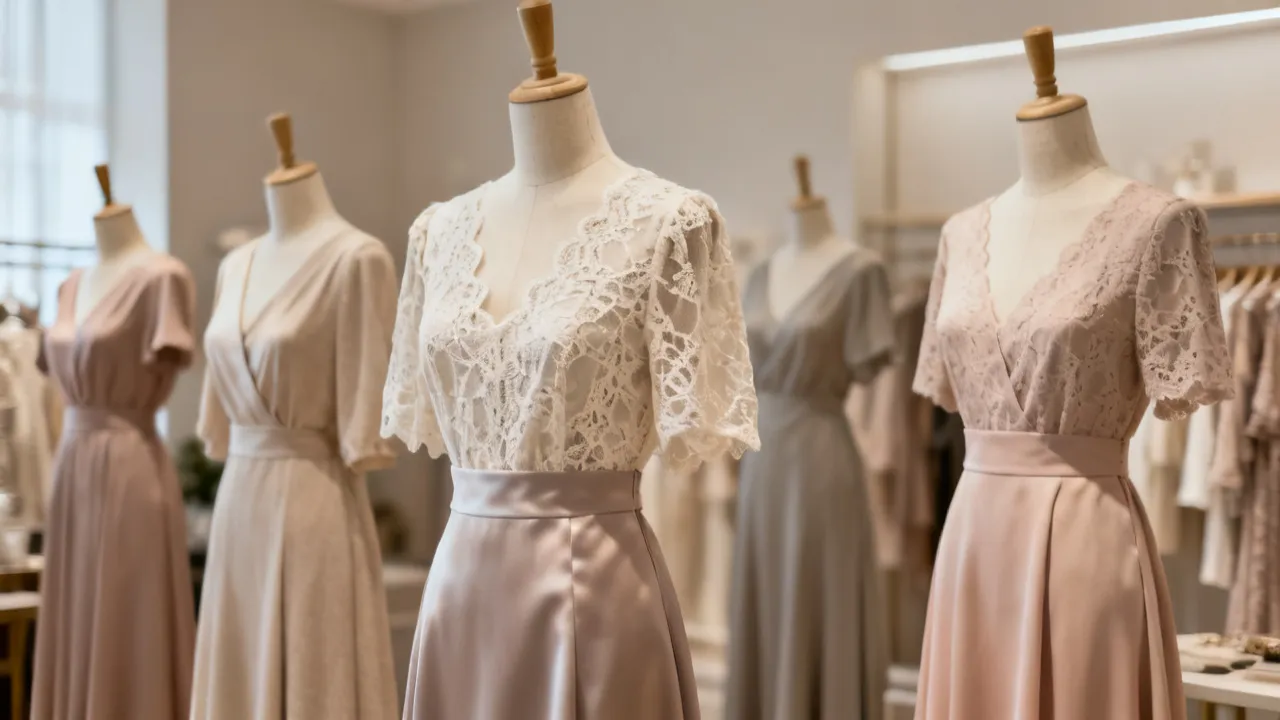
Ceewhy Dresses: Expert Buying Guide and Supplier Insights
Ceewhy Dresses are a curated option for shoppers seeking everyday elegance, reliable fit, and thoughtful fabric choices. This guide explains what the keyword “Ceewhy Dresses” typically refers to in the market, how to evaluate quality and sizing, and which supplier details matter very—so you can choose with confidence based on transparent specifications and your needs.
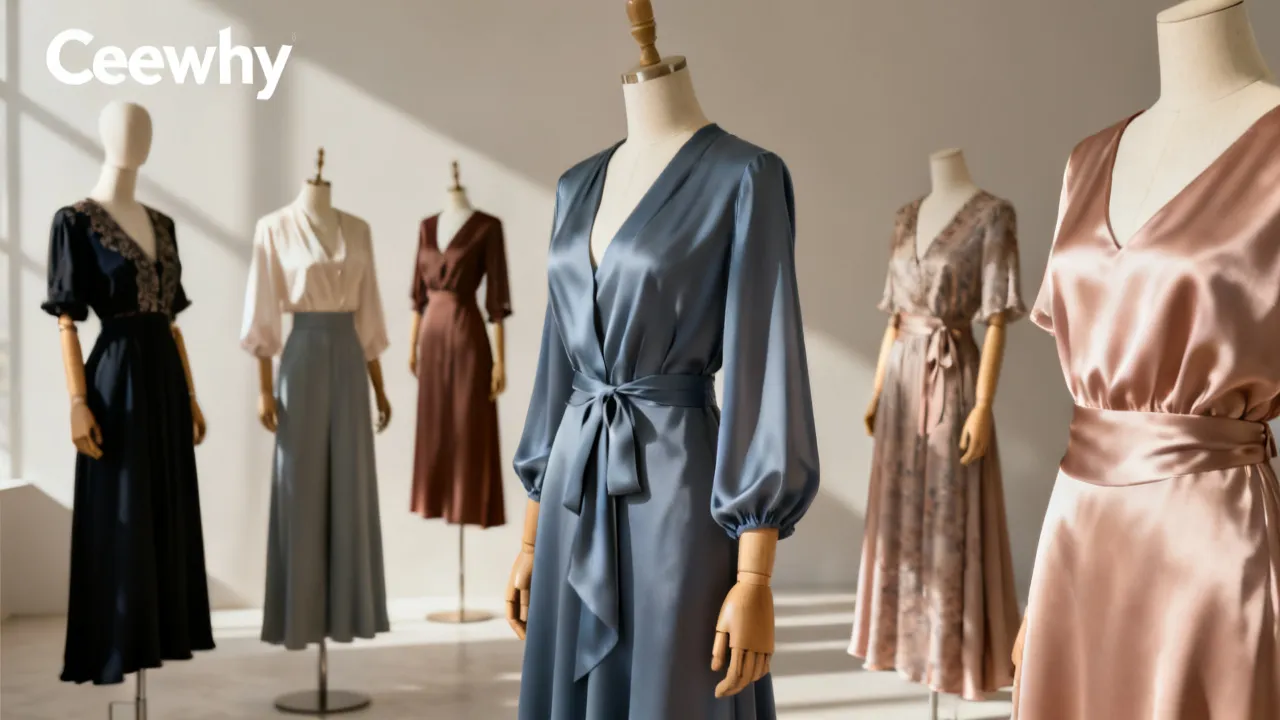
Ceewhy Dresses: Style, Sizing, and Buying Guide
Ceewhy Dresses are a practical way to refresh your wardrobe with polished everyday style, with options that suit different body types and occasions. This guide explains the concept behind Ceewhy Dresses, how to evaluate fabric and construction, what pricing typically reflects, and how to choose confidently using objective criteria rather than hype.
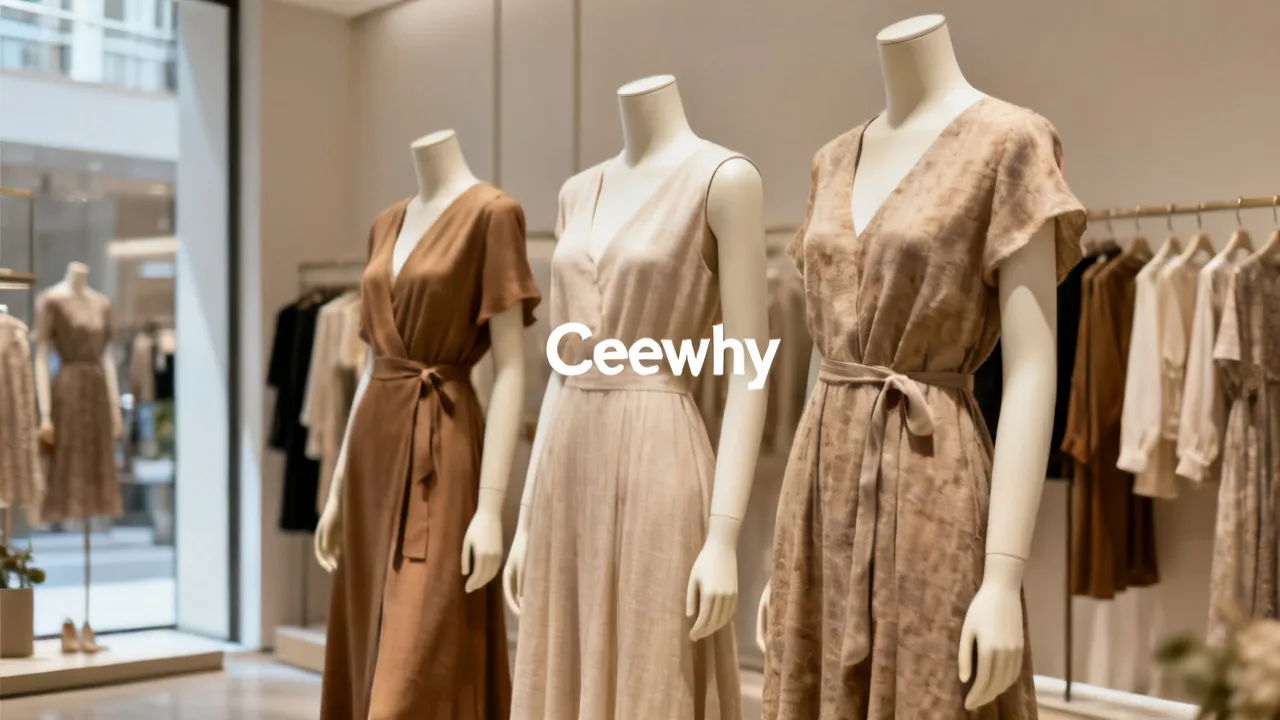
A Guide to Ceewhy Dresses Quality and Sizing
This guide helps you evaluate Ceewhy Dresses for everyday comfort, occasion styling, and reliable fit. It reviews what the name “Ceewhy Dresses” typically signals in the fashion market—design focus, fabric considerations, and sizing practices—so you can compare styles objectively, plan alterations if needed, and choose with confidence.
