This guide explains how Digio Livelo works in everyday spending, from eligibility and activation to practical decision criteria for matching your profile. Background context outlines how loyalty ecosystems typically operate, what “supplier” and pricing can mean in practice, and why consumers should verify terms before opting in.
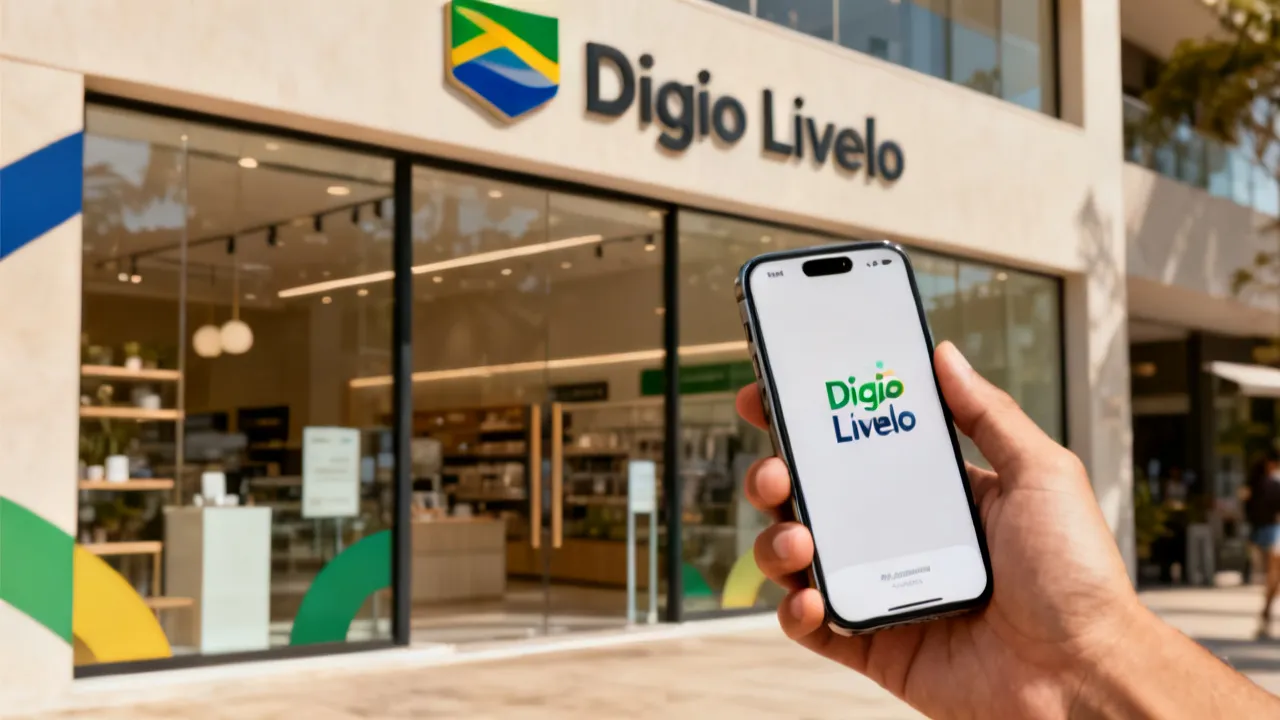
If you’re evaluating Digio Livelo for your routine purchases, focus first on three fundamentals: eligibility (who can enroll), pricing structure (what costs apply, when they apply, and how they’re billed), and supplier terms (how partners credit points or benefits). This guide provides an objective framework to compare how Digio Livelo may fit different spending habits, while emphasizing verification of conditions before committing.
From an industry perspective, loyalty and payments products—such as those commonly associated with Digio Livelo—should be assessed the way banks and commerce platforms assess risk and customer value: by matching program rules to real-world behavior, not by assumptions. That means reading the enrollment requirements, understanding the conversion mechanics (if points/benefits apply), and confirming the customer service and dispute path.
Throughout this article, the discussion intentionally avoids inflated promises. Instead, it provides a decision model you can apply: What am I paying? What do I receive? When do I receive it? and What conditions could reduce the value?
Digio Livelo is best understood as a branded junction where financial tooling and loyalty mechanics intersect—often involving a sponsor/supplier model where different parties contribute to customer outcomes. In many real deployments, Digio functions as a financial or account relationship layer, while “Livelo” reflects the rewards ecosystem the customer participates in. The exact mechanics can differ by plan, region, and current campaign terms, so always treat the program as “term-dependent.”
Practically, the value you experience is usually determined by:
Many people stop at “earn rate.” However, a true smart-use approach treats rewards as a chain of events. Breaks can occur at any link: eligibility isn’t active yet, a merchant codes you in a non-qualifying category, a refund reverses credits, or credits post after a deadline so you can’t redeem when you expected. Understanding the chain reduces disappointment.
In loyalty ecosystems, “supplier” can refer to multiple roles: the financial institution (issuing account/payment instrument), the rewards operator, and merchant partners. When you see Digio Livelo described in product pages, retailer promotions, or account dashboards, it usually signals that one or more of these roles are connected under a unified customer journey.
From a compliance and customer-experience standpoint, eligibility tends to revolve around conditions such as:
Tip: If you’re comparing options, do not evaluate solely by brand naming (Digio + Livelo). Instead, compare the mechanical rules visible in your account—what qualifies, how it credits, and any costs. Two programs with similar names can behave differently due to plan tier, enrollment method, or partnership structure.
It’s also useful to interpret “supplier responsibilities” as where problems might originate when something goes wrong. If rewards don’t show up, causes can include:
Knowing those possible origins helps you contact the right party with the right evidence, instead of bouncing between support desks.
When consumers ask for Digio Livelo “price information,” they often expect a single number. In practice, pricing for payment-and-rewards programs can include multiple components, such as:
Because pricing can vary by plan and updates, the very objective way to compare Digio Livelo options is to capture three figures from your account terms: (1) periodic fee (if any), (2) cost/interest mechanics relevant to your payment behavior, and (3) any conditions that impact rewards crediting. If your statements or terms indicate “rate changes” or “campaign end dates,” assume the value may shift after those dates.
To make this more practical, treat rewards as “net of costs,” not “on top of costs.” For example:
Smart evaluation also involves asking whether any costs are conditional—for instance, higher fees if you don’t pay in full, or different rates if you use specific channels. Those conditions can quietly change your net outcome.
Different partners may credit benefits differently, and the supplier layer you engage through Digio Livelo can affect:
For readers near Brazil-style consumer patterns (for example, shopping habits around large retail centers and digital marketplaces), this matters because transaction codes can vary by merchant and channel. A purchase that appears identical to the consumer can be coded differently in the system.
To interpret that in day-to-day terms: you might buy “the same thing” from the same store name, but if the merchant’s internal category, payment type, or settlement partner differs, your rewards eligibility could change. This is one reason why keeping receipts and reconciling for the first cycle is valuable. It’s not about distrust—it’s about confirming the mechanical truth of what your program counts.
Use this model when deciding whether Digio Livelo fits your spending:
This method is aligned with how many financial institutions and loyalty operators manage customer value: not by promising maximum outcomes, but by defining qualifying mechanics and ensuring that the customer can reconcile their rewards activity with their statements.
To make “conservative estimation” more actionable, consider two scenarios:
Then compute your net expectation: net value = estimated rewards value − estimated total costs. If net value remains positive in your downside scenario, you likely have a stable fit.
Loyalty systems exist to encourage repeat engagement and to reduce friction in payment. However, the economic foundation depends on disciplined rule-setting—particularly around qualification thresholds, anti-fraud controls, and partner settlement procedures. That is why Digio Livelo should be evaluated with the same seriousness you’d bring to any account product: the value you get is contingent on operational criteria.
In Europe and the Americas, regulators and consumer-protection bodies generally emphasize transparency around fees, disclosures, and fair handling of customer claims. In the loyalty context, this translates into clear documentation of terms, complaint procedures, and the mechanics of reward crediting.
Reliable sources for broader context: The European Commission’s consumer financial guidance and OECD-aligned principles on consumer protection and transparency are useful frameworks for evaluating fee disclosures and fairness. Additionally, industry reporting from recognized financial-services analysts often describes how loyalty economics and partner settlements influence redemption value (though specific numbers for your local program should be confirmed in the program’s official terms).
When a program is well-designed, the user experience should still allow reconciliation: you should be able to understand why a transaction earned (or didn’t earn), where the credit appears, and what happens in the event of corrections. A smart-use approach looks for reconciliation clarity, not just “more rewards.”
Below is a supplement-oriented comparison that reflects how you should interpret Digio Livelo-style offerings in a structured way. Replace any field values with the exact details displayed in your own enrollment documentation and account terms.
| Aspect | What to Verify for Digio Livelo | Typical “Supplier/Partner” Influence | Conditions / Requirements to Confirm | Source to Consult |
|---|---|---|---|---|
| Enrollment | Eligibility criteria, activation steps, and required consents | Issuer and rewards operator may enforce different onboarding rules | Account verification status; acceptance of program terms | Program terms and account onboarding documentation |
| Pricing / Fees | Any periodic fees, billing cycle rules, and interest mechanics if relevant | Underlying payment product terms define baseline costs | Fee schedule; billing dates; how costs are calculated | Account fee schedule and statement terms |
| Qualified Transactions | What purchase types earn benefits and what’s excluded | Merchant category codes and partner settlement rules | Merchant eligibility lists; exclusions; refunds handling | Rewards qualification rules in your account |
| Rate Conversion | How benefits convert (points/credits/tiers) and whether rates are promotional | Partner-specific rate tables can apply | Tier definitions; time-limited campaign periods | Program rate rules and campaign terms |
| Posting and Availability | When credits appear and when redemption becomes possible | Data synchronization between issuer and rewards ledger | Posting windows; minimum thresholds; reversal timelines | Rewards posting policy and redemption rules |
| Customer Support and Disputes | How to raise a missing rewards claim or payment dispute | Different parties handle different case types | Evidence requirements; deadlines; escalation path | Customer service policy and dispute resolution terms |
| Redemption Conditions | Eligible rewards, redemption steps, and any limits | Rewards operator defines redemption catalog and rules | Minimum redemption balances; expiration policy | Redemption terms and catalog guidelines |
Use this workflow if you want an evidence-based decision rather than relying on marketing impressions.
While specific requirements vary by plan, a robust checklist for Digio Livelo-type programs usually includes:
If any item above is unclear, treat that uncertainty as a cost: it increases the risk that the rewards you plan for might not materialize as expected. In other words, “I think this qualifies” should be replaced by “I can point to the rule that says it qualifies.”
Also consider building a personal “rules memory” by writing down the key parameters right after enrollment. Programs often update terms or rotate partner campaigns. Having your own record reduces confusion when something changes or when you re-check the details later.
Digio Livelo generally refers to a connection between a Digio account/payment relationship and a loyalty rewards ecosystem associated with Livelo. The precise mechanics—fees, eligible transactions, and reward conversion—depend on the specific offer and account terms you enroll in.
No. “Price information” for Digio Livelo setups can involve periodic fees tied to an underlying financial product, plus transaction-related costs depending on how you pay. The only reliable approach is to check your individual fee schedule and statement terms.
In practice, multiple parties can be involved: the financial issuer (Digio), the loyalty operator (Livelo ecosystem), and merchant partners. Each party can influence eligibility, posting timelines, and how benefits are credited.
Qualification rules are defined in program documentation and your account dashboard. Look for a list of eligible categories/merchant behaviors and review exclusions, especially for refunds and disputed transactions.
Rewards posting depends on settlement cycles and data synchronization between the payment layer and loyalty ledger. Review the posting policy in your offer terms to understand expected timelines and any reversal windows.
First, confirm the transaction is marked as completed/settled in your statement. Then follow the rewards dispute workflow described in your program terms, providing any evidence required (such as receipt references or transaction IDs). Keep an eye on deadlines—very programs set claim windows.
Yes. Promotions can alter rates, eligibility, or posting timelines for a limited period. A conservative approach is to evaluate your net value both with and without promotional uplift and to note promotion end dates.
Loyalty can be valuable, but it should be managed like a variable benefit. The safest strategy is to base your decision on confirmed terms and your routine spend categories, then reassess after you see real credits and postings.
From an industry expert lens, many users experience disappointment not because programs are “broken,” but because their expectations don’t match the operational rules. Below are pitfalls frequently encountered with Digio Livelo-style offers.
Two people can both mention Digio Livelo and still experience different terms. Enrollment tier, plan type, or campaign registration can change qualification mechanics and effective value.
How to avoid it: compare your specific offer details, not a friend’s screenshot or a generic promotional page. If two accounts differ, their earn and redemption paths can differ too.
Rewards economics often relies on merchant category coding. A merchant might look like the same retail brand to you but can code differently. Always verify category qualification rules.
How to avoid it: during your first billing cycle, check which transactions were credited. If a category repeatedly fails, don’t assume it’s “random”—treat it as a clue about category exclusions.
Even when benefits look attractive, fees and interest can offset value. Evaluate net outcomes with your own payment behavior (especially whether you typically pay in full).
How to avoid it: model whether rewards remain worthwhile after fees, and ensure that interest costs are not quietly eating your net benefit.
Rewards might appear after settlement, and refunds can reverse previously credited benefits. Your plan should be built around actual posting timelines, not fastaneous assumptions.
How to avoid it: check for posting windows and reversal timelines in the program terms. If a refund can reverse benefits, assume that returns you process later might impact your net balance.
Some programs allow you to “see” points but apply additional checks at redemption (expiration, minimum amounts, or eligibility changes). If you redeem immediately after crediting, you might miss whether redemption conditions are stable.
How to avoid it: confirm redemption rules and expiration dates immediately after credits post, not weeks later.
If credits don’t appear, you’ll usually need evidence like transaction IDs, dates, amounts, and proof that the purchase should qualify.
How to avoid it: keep receipts and record transaction dates for at least one statement cycle. When you file a claim, you’ll be faster and more precise.
When you shop and pay “nearby,” your day-to-day experience is shaped by the local merchant ecosystem—independent stores, well-known chains, transit payment habits, and common bill-payment flows. In such environments, qualification may depend heavily on how transactions are processed (online versus in-store, merchant category coding, and settlement pathways).
As a practical tactic for readers in Brazilian-style retail and digital marketplaces, keep your receipts for the first month and periodically reconcile:
This local validation reduces uncertainty and helps you confidently decide whether Digio Livelo remains aligned with your preferences.
To extend this approach beyond the first month, consider a lightweight monthly audit. It can be as simple as:
Over time, you’ll build a personal “qualifies vs. doesn’t qualify” map. That map is often more useful than reading rules once and forgetting them.
After completing the eligibility and pricing verification steps, your “next steps” should be grounded in operational readiness:
This approach is more disciplined than chasing promotions and more sustainable than relying on memory.
If you want an even more confident start, do it in two phases:
That “gradual integration” approach helps you catch unexpected exclusions early—before you commit your main budget.
Because loyalty program mechanics frequently change, the very reliable sources for Digio Livelo evaluation are the program’s official terms, your account’s fee and rewards documentation, and issuer-provided disclosures. For broader consumer-financial transparency principles, consult recognized frameworks and official guidance from regulators and intergovernmental organizations.
To avoid unverified or exaggerated information, always treat any third-party estimate of “typical returns” as illustrative unless it references verifiable program rules. If you want, share the exact Digio Livelo plan name and the fee/reward sections you see in your dashboard (redacting personal data), and I can help you interpret the terms objectively.
Verification also means distinguishing between:
If you see “up to” claims, locate the conditions that achieve the “up to” number: it might require specific merchants, tiers, or promotional windows.
Digio Livelo can be a practical loyalty overlay for customers who want to integrate rewards with everyday spending—provided the program rules align with their real purchasing categories and payment behavior. The very objective way to proceed is to verify eligibility, understand the pricing structure, confirm which transactions qualify, and assess posting timing and dispute pathways.
If you follow the decision framework and checklist above, you’ll reduce uncertainty and make a more defensible choice—one that reflects the actual mechanics of the Digio Livelo relationship rather than expectations set by generalized marketing language.
Striking the Perfect Balance: Navigating Premiums and Out-of-Pocket Expenses in Senior Insurance Plans

Explore the Tranquil Bliss of Idyllic Rural Retreats

How to Make Lasting Memories at Disneyland Attractions

Affordable Phones and Plans for Seniors

Affordable Full Mouth Dental Implants Near You

Unlock the Top Kept Secrets to Finding Your Ideal Dentist for Flawless Dental Implant Results!

Discovering Springdale Estates

Unveiling RS Sul Telecom Services

The Guide to Car Trading


Maximizing Benefits with Cash Rewards Cards
This comprehensive guide explores the nuances of using Cash Rewards Cards to maximize financial benefits. With a focus on how consumers can harness these cards for cost-efficiency, the article provides an in-depth examination of their functionality, various reward structures, and strategies to optimize their use. Featuring professional insights, the piece serves as a detailed resource for anyone looking to enhance their purchasing power through strategic card usage.

The Comprehensive Guide to Cash Rewards Card
Discover how a Cash Rewards Card can transform your spending habits and financial health. These cards offer users points for money spent, which can be redeemed for cash. Utilizing a rewards card effectively can bring significant benefits, but understanding the terms, fees, and management practices is essential for maximizing rewards and avoiding debt.

Understanding Calcard Sinop for Industrial Supply Decisions
This guide explains how Calcard Sinop fits into industrial procurement decisions, focusing on how buyers compare supplier options, specification compatibility, and delivery reliability. The background sections objectively define what the term typically refers to in supply contexts and why sourcing discipline matters. Readers also get practical criteria for evaluating offers and a detailed FAQ for smoother, risk-aware purchasing.

Calcard Sinop: Industry Overview and Sourcing Guide
Calcard Sinop products are evaluated here as a practical sourcing and compliance guide. The article objectively explains what “Calcard Sinop” commonly refers to in commerce and supply contexts, outlines selection criteria, discusses supplier considerations and procurement conditions, and provides a comparison table, step-by-step checklist, and FAQs to help buyers make defensible decisions.

Calcard Sinop: Buying Guidance and Industry Context
Calcard Sinop products are evaluated here for informed selection, focusing on usage suitability, documentation, and supplier credibility. Then the guide offers an objective background on what “Calcard Sinop” typically refers to in medical supply and product ecosystems, clarifying how professionals compare specifications, compatibility, and traceability across sourcing options.

Calcard Sinop: Expert Guide to Choosing Carefully
This guide helps you evaluate Calcard Sinop options with an objective, expert lens—covering what Calcard Sinop typically implies, how to compare offerings, and what questions to ask before committing. It then explains the practical decision criteria used in the dental/medical supply ecosystem, focusing on quality, documentation, traceability, and supplier accountability.
