If you need a new phone, this guide compares government-supported smartphone programs and major Lifeline-based providers so you can choose an eligible option confidently. Background: “government phone” initiatives in the U.S. help qualifying households maintain connectivity via subsidized service, typically tied to income or enrollment in assistance programs. Providers also offer device or BYOD pathways that differ by plan and state.
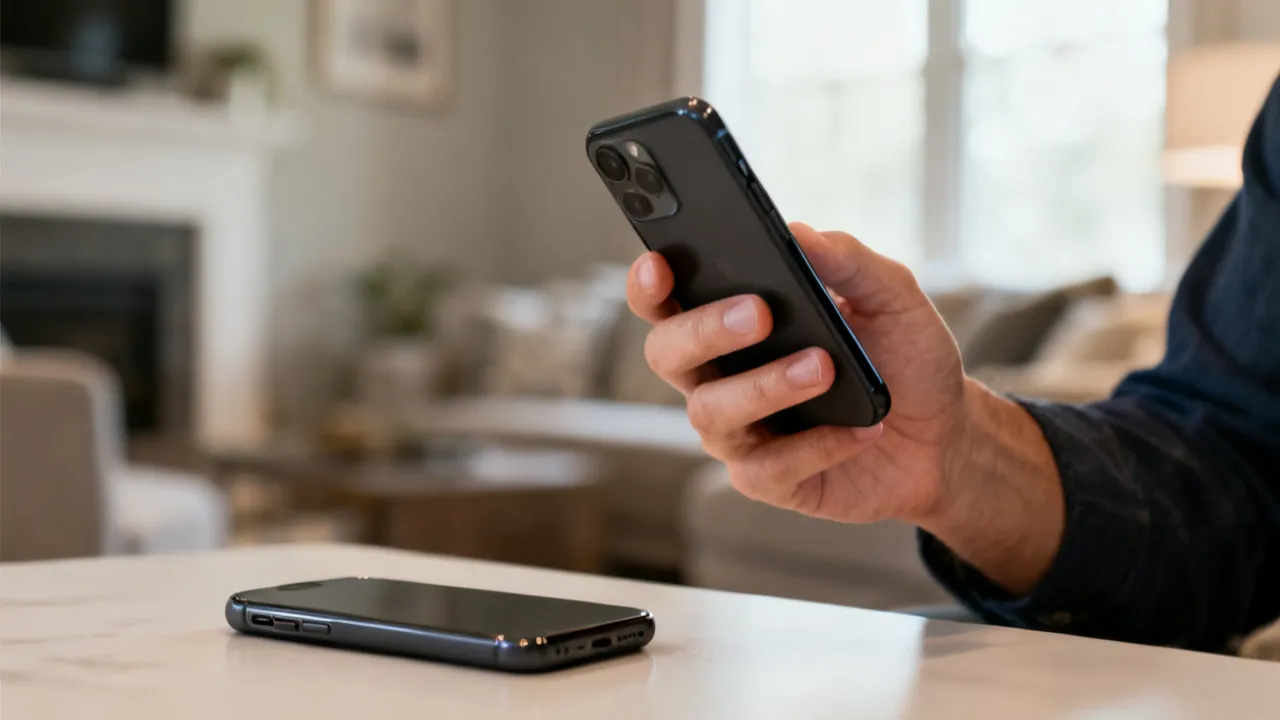
If you’re dealing with a damaged handset, unreliable coverage, or a device that can’t support essential apps, you’re not alone—many households eventually reach a point where “I Need a New Phone” becomes urgent. The very practical next step is to evaluate (1) your budget and (2) whether you qualify for a government-supported phone program (often delivered through Lifeline and, where applicable, ACP benefits). From there, compare providers’ device options, service allowances, and any optional add-on costs so you don’t end up choosing a plan that won’t meet your real needs.
From an industry perspective, the smart way to approach this decision is to treat it like a service procurement rather than a one-time purchase: assess device compatibility (screen quality, battery health, OS updates), network coverage quality in your area, text/call reliability, and data speed expectations. Government-supported plans typically prioritize essentials—voice and text plus a defined amount of data—while faster/high-capacity needs may require optional “boosts” or upgrades.
Because your current phone situation sounds time-sensitive, it helps to think in two parallel tracks: (a) stabilize communication immediately so you can still call, text, verify accounts, and access key services, and (b) plan a longer-term fix that reduces the chance you’ll be back at the same decision point again within 6–18 months. The rest of this guide expands the decision framework so you can confidently move from “I Need a New Phone” to “I got the right phone and the right plan.”
Very government-supported phone programs in the U.S. operate as affordability subsidies. Eligibility is commonly tied to either income thresholds or participation in qualifying assistance programs such as Medicaid, SNAP, SSI, or housing-related support. The subsidized benefit is administered through approved carriers that may offer:
Even when programs are similar on paper, carriers can differ in handset models, how data allowances work, whether unlimited high-speed data is included, and which features are available. That is why the “top” choice is less about a single headline claim and more about matching your usage pattern—maps, messaging, video calls, school/work apps—to what the plan actually provides.
It also matters how plans measure usage. Many people assume “data allowance” means unlimited high-speed at a constant speed until you hit the limit; in reality, many plans include a bucket of data that may be capped for full speed or may slow down after a threshold. The result can be that you can still browse, but video streaming becomes inconsistent, app updates may stall, or downloads take longer than expected.
There’s also the question of device longevity. Subsidized phones are designed to be serviceable for core communication tasks, but the exact model can vary in performance, screen readability, camera quality, battery capacity, and update policies. Two phones that sound similar in an advertisement can deliver dramatically different experiences for someone who relies on banking apps, two-factor authentication, or the ability to download and use job/school applications.
Finally, government phone programs are typically subject to ongoing verification rules. Approval isn’t always a one-time event; some participants must periodically recertify eligibility. If you treat the program like a permanent “set it and forget it” solution, you may be surprised by interruptions. Keeping good records and responding promptly to carrier communications can prevent gaps in service.
The providers below are widely used for government-supported phone offerings. Service structures can vary by state and plan. What stays consistent across many of these programs is the core focus on connectivity essentials (talk/text, and some form of data allowance), with optional upgrades available if you need more performance.
When comparing providers, remember that “more data” isn’t always the same as “better data.” Real-world performance depends on network conditions, whether you’re in a coverage edge zone, and whether you regularly travel between areas where network partners behave differently. Still, comparing the plan’s explicit allowance and speed terms is a good starting point—especially when you’re already dealing with “I Need a New Phone,” because you want fewer surprises after activation.
| Provider (Official Plan Site) | What their government-supported plans typically include | Possible additional package costs |
|---|---|---|
| SafeLink Wireless | Subsidized smartphone or BYOD options; unlimited talk and text; data allowances that can vary by plan/state. | Premium device upgrades and/or data upgrades may cost extra. |
| Assurance Wireless | Subsidized Android smartphone; unlimited talk and text; data allowances. | Additional high-speed data or international calling features may be available as optional upgrades. |
| StandUp Wireless | Subsidized smartphone or BYOD options; unlimited talk and text; data plans. | Premium phone upgrades and extra data may involve fees. |
| Access Wireless | Unlimited voice and text with limited high-speed data, often aligned with Lifeline-style benefits. | Data boosts and device upgrades may be priced separately. |
| True Wireless | Government-supported phone and service options, including voice/data offerings. | Optional upgrades to better devices or additional data plans may have costs. |
source: www.safelinkwireless.com · www.assurancewireless.com · standupwireless.com · www.accesswireless.com · www.gotruewireless.com
Note: The table summarizes the types of benefits described on provider program pages; exact terms can change by state and by the specific plan selected.
To make this comparison more actionable, you can also create a simple “fit score” for your household. For example: (1) How much data do you use for work/school per week? (2) Do you need hotspot capability? (3) Do you rely heavily on video calls or streaming? (4) Do you need good camera performance for scanning or documents? (5) Does your home get reliable coverage for that provider’s network partner? You can then map your answers to the plans and device types you’re offered.
In many households, the most important factor ends up being coverage at the places you’re most often stuck: home, work, school, and any regular transit routes. A plan with better data on paper can feel worse if signal strength is inconsistent where you actually live and move through your day.
Because you said “I Need a New Phone,” it’s likely you want a straightforward path. Here’s a practical checklist of common requirements and how the process typically unfolds for Lifeline/ACP-related programs.
Eligibility can feel confusing because state rules and enrollment criteria can shift over time. Even within the same provider, specific plan availability and device offerings may vary. That’s why it’s smart to treat the application process itself as part of your decision: you’ll discover the exact options you’re eligible for when you apply.
Also, remember that households can include more than one person. Some programs ask about household size because income thresholds scale with number of people. If you’re uncertain about what the program counts as “household,” review the provider’s definition carefully. Getting this wrong can lead to delays or denial.
While exact paperwork can vary, very applicants should expect to provide proof related to:
To avoid common failure points, be aware of documentation quality. Photos of documents should be readable, not blurry, and ideally show the full page. If you upload screenshots or partial forms, it can trigger verification problems. If your proof document includes personal details, ensure the file is legible while still protecting your privacy. Only upload what the provider requests.
If you’re using BYOD and your current phone is already on a specific carrier network, you may also need to confirm compatibility, which can include checking whether your phone is unlocked and whether it supports the carrier’s network type. Some carriers use GSM/LTE/VoLTE requirements; if your phone doesn’t support those features, the plan might not activate even if you meet eligibility requirements.
Although each company uses a specific workflow, the core steps typically look like this:
Industry top practice: apply only through the official carrier websites, keep copies/screenshots of your documents, and confirm that the device option you select (device vs BYOD) matches your goals for “I Need a New Phone”—especially if you rely on specific apps for work or school.
When you apply, don’t ignore the “small print” that often appears in a device choice section. Some subsidized plans include a limited number of device options, and some devices may not support certain app performance expectations. It may be tempting to choose the cheapest phone option, but if your household depends on secure logins, mapping apps, or document scanning, you should consider how quickly a device can respond and whether its storage and RAM are sufficient for your tasks.
Also consider activation timing. If you’re switching from a failing phone to a new service, plan for the gap between old and new service. Back up essential contacts, make note of important two-factor authentication methods, and ensure you can receive texts that confirm account access. When phones are failing, people sometimes discover too late that they need text messages for login verification.
Government-supported programs are designed to make essential connectivity affordable. But “essential” can mean different things for different users. Use the following framework to choose the plan that aligns with your day-to-day reality.
When people say “I Need a New Phone,” it often stems from one of these issues:
If any of those are true, a subsidized handset may be the very efficient solution. If your current phone is compatible and functional, BYOD may reduce the risk of ending up with a device that doesn’t match your preference.
However, device repair can sometimes be a stopgap. If your phone has a minor screen problem but works otherwise, replacing a screen or battery might cost less than switching. The question becomes: how long will your repaired device last, and what’s the risk that your phone will fail again during your most urgent period (job search, school enrollment deadlines, medical appointment scheduling)? If your phone is already unreliable, it can be safer to move sooner rather than later—especially if your accounts require a working number for verification.
When deciding, test your current phone for what matters. Can you reliably open the apps you must use? Can the keyboard enter text without errors? Can you receive texts consistently? Does the phone drop calls or lose network frequently? A “functional but annoying” phone might still be usable until you find the best subsidized option; a “functional for only minutes at a time” phone often justifies immediate replacement.
Many government-supported plans include unlimited talk/text and a defined amount of data—sometimes with limits on “high-speed” usage. If you frequently stream video or download large files, you may need to plan for data boosts or occasional upgrades. Conversely, if your usage is veryly messaging, calls, navigation, and social browsing, a limited data allowance can be sufficient.
It can help to estimate your weekly data needs. For example:
Another subtle issue is whether your plan allows tethering/hotspot and how it affects data usage. Some people assume they can share phone data with a laptop for school or job searching. If your plan does not support hotspot or heavily limits it, you might need a different strategy, such as using public Wi‑Fi for downloads or prioritizing tasks that require connectivity.
In practical terms, if your household relies on the phone for schoolwork and you expect to attend online classes, you should confirm whether the plan supports hotspot or whether the carrier’s data performance will be enough for video conferencing. If not, you’ll want an alternative connectivity plan (such as school-provided Wi‑Fi, community Wi‑Fi hotspots, or a plan with additional data options).
Even when two plans offer similar allowances, the real difference can be coverage and latency. Before committing, check coverage expectations for your location and confirm that the provider’s network partner aligns with where you spend very of your time—home, school/work, commuting corridors, and any frequently visited rural or low-coverage spots.
Because government-supported phone offerings can rely on different underlying network partners, two approved plans with similar features might behave differently. The best way to check is to test coverage in the places that matter. If you can, borrow a friend’s SIM or temporarily insert their SIM to see how your area performs. While that isn’t always practical, you can still use network coverage maps and read recent customer experiences, but keep in mind that maps are often optimistic.
Latency matters for real-time communication. If you use video calling, online interviews, or voice-over-IP apps, high latency can produce choppy audio and unstable connections. If you mainly rely on call and text, the impact may be less. But most people use some data services too—especially for messaging apps, email verification, and appointments.
Also consider indoor coverage. Many people focus on outdoor signal strength but live and work where signal is weaker indoors. A plan that works outdoors may struggle inside apartments, basements, or buildings with dense materials. If your current phone shows similar indoor issues, that’s a strong hint to test what the new plan will do in the same locations.
For decision-making, an expert lens looks at practical factors:
These details often determine whether the phone becomes a good tool or a short-lived compromise.
Device quality includes more than hardware specs. It includes user experience: whether the phone runs smoothly when multiple apps are open, whether notifications arrive reliably, and whether the phone’s settings allow you to control data usage. If you’re using an Android phone, check whether it includes the Google Play Store and whether your key apps are available. Some low-cost devices can ship with limited storage or slow performance; even if they run apps, they might not run them efficiently.
Another factor that affects usability is screen brightness and color quality. If you’ll be using the phone outdoors or in bright light, low brightness can make the screen hard to read. Touch responsiveness also matters—especially for entering verification codes quickly and accurately.
If you use accessibility features (font scaling, screen readers, high-contrast mode), make sure the device supports them smoothly. A phone can be “technically working” but frustrating if accessibility options are hard to configure or if the phone is slow enough to discourage use.
Finally, consider the long-term risk of OS obsolescence. An affordable phone that receives limited security updates may become less safe over time, particularly if you use banking apps or store sensitive information. While you might not be able to choose the latest model in a government program, you can still evaluate which device has a better likelihood of remaining usable for several years.
Many people don’t realize that “I Need a New Phone” is frequently tied to account access rather than hardware alone. If your current phone can’t receive SMS reliably, you may be locked out of:
When choosing a new plan and device, ensure you can still receive texts for verification quickly. Also, during activation, migrate your two-factor authentication methods carefully. Consider moving critical accounts to an authenticator app or to email-based verification if possible. That reduces dependence on the phone’s number as the single point of failure.
This is especially important if you’re switching plans from a failing phone. People often activate the new SIM, only to discover that an important account still expects SMS verification to the old number. Planning ahead can prevent a stressful cycle of “I need a new phone, but now I can’t log in to anything.”
Even when a phone is subsidized, you should anticipate optional costs. Some providers let you upgrade to a premium device or add higher data allowances for an additional price. The key is to avoid “upsell regret” by matching add-ons to your actual needs.
Here’s a cost-aware approach:
Also, ask about any fees related to activation, device shipping, or plan changes. Many of these charges are low or waived in subsidized contexts, but it’s still wise to check so you’re not surprised by a charge that affects your monthly budget.
To avoid delays, prepare the items below before you begin your application for government phone benefits. This is especially helpful when you’re on a tight schedule because your current phone is failing and you’re actively searching for “I Need a New Phone.”
Remember: documentation rules can vary. If a provider requests specific forms or verification formats, follow them exactly to reduce the chance of rejection.
Because you may be doing this in a hurry, also consider a “backup readiness” checklist for phone failures. If your phone is nearly dead, take the time to:
This preparation can reduce downtime during the transition. It also helps if activation requires you to complete setup steps immediately, such as choosing preferences, connecting to Wi‑Fi for initial downloads, or logging into your accounts after the new SIM is active.
If you want to use BYOD, verify the phone’s status in advance. Many activation problems come from phones that are locked to another carrier. If your phone is locked, you might need to unlock it before a BYOD pathway works. Also, if the phone is missing required network support (for example, lacking certain VoLTE support), calls may fail even though you can browse data. Checking compatibility early can prevent a frustrating situation where you “got a plan” but can’t place calls reliably.
A: Many applications can be started online immediately, but approvals depend on eligibility verification timelines and document review. If your phone is urgently failing, start the application first, upload required documentation promptly, and track any status updates using the provider’s official process. In parallel, consider whether you need a temporary workaround for account access—such as using email verification or borrowing a working phone temporarily—to avoid being locked out of critical services during the transition window.
A: Service availability can vary by state and by plan. It’s top to confirm your eligibility and plan options during the application process on the specific provider’s official website. Even if you can apply in multiple states, the device inventory and exact plan terms can differ, which affects what you end up receiving.
A: Not necessarily. Many plans provide unlimited talk and text and include a data allowance that may be “limited high-speed” or structured with thresholds. If you need consistently high-speed data, look for explicit data terms and consider optional boosts or upgrades. Also pay attention to whether hotspot is supported, since many users rely on hotspot for laptop or tablet connectivity and discover limitations after activation.
A: Many carriers support BYOD options, but compatibility requirements apply. If your handset is compatible, BYOD can be a convenient way to avoid switching devices—provided the network and plan requirements are met. If your phone is unlocked but still struggles with signal or VoLTE/call reliability, you may still experience issues. In that case, a subsidized device might deliver more dependable service.
A: Eligibility commonly includes income-based thresholds and participation in qualifying assistance programs such as Medicaid, SNAP, SSI, and housing-related support (e.g., FPHA), with provider and state variations. If you’re unsure whether your specific benefits qualify, check the provider application page or customer support scripts. It’s often faster to confirm early rather than apply and then wait for documentation requests that could have been avoided.
A: Eligibility rules can differ and may change based on household size and documentation. If you’re close to the guideline threshold, review your documents carefully and verify your eligibility using the provider’s official guidance. If your household has recent changes (job loss, disability start, changes in benefits), gather documentation showing those changes. Some eligibility determinations can consider current circumstances, but you should follow the carrier’s specific instructions.
A: Approval is not guaranteed. Verification depends on whether the household meets the stated requirements and whether the documents are accepted. For exact requirements, refer to the provider’s official application instructions. To improve your odds, make sure your documents are legible and uploaded in the requested format, and respond quickly to any verification messages.
A: If your current phone is physically damaged but still receives texts, consider acting quickly to save critical information and activate the new service. If your phone can’t reliably receive texts, plan to use alternative verification methods (email, authenticator app, or recovery codes) where possible. During the transition, keep any recovery codes or backup methods in a safe place. If you’re using a subsidized phone that arrives later, you may still need a short-term workaround so you can maintain access to essential accounts.
A: Timelines vary by provider, state, and stock availability. Some plans can activate faster if you use BYOD, while shipped devices require additional time for delivery and initial setup. When you apply, check the provider’s estimated delivery/activation timeline and keep an eye on status updates. If your phone is failing urgently, you may want to prioritize a plan option with faster activation.
A: Policies differ. Some providers allow limited device choice; others assign a compatible model based on eligibility and inventory. If you want specific features, you may need to select a provider with the device models that best match your needs. If the plan supports BYOD, that can offer more control. If you’re concerned about performance (storage, screen size, battery), research typical device specs offered within the program before you finalize your selection.
When you say “I Need a New Phone,” your top strategy is to approach the problem in layers: stabilize your communication needs, confirm whether you qualify for Lifeline/ACP-style support, compare providers for device vs BYOD options, and verify what data structure you’ll actually receive. By focusing on eligibility requirements, honest data expectations, and realistic device performance, you can make a decision that supports both immediate communication and good usability.
The most successful outcomes come from aligning three things: (1) the phone hardware you’ll receive or reuse, (2) the network behavior you’ll experience where you live and work, and (3) the data and feature set you truly need for daily tasks. If you do those steps thoughtfully, you avoid the most common disappointment: having a plan that meets eligibility requirements but fails to meet real-life connectivity and usability needs.
To put it simply: don’t just ask “Can I get a phone?” Ask “Will this phone and plan reliably support the things I must do every day?” That mindset turns the emergency feeling of “I Need a New Phone” into a clear, structured plan you can execute with confidence.
1) The above information comes from online resources, and the data is as of October 2023.
2) This website cannot guarantee that applicants will definitely get a government affordable phone. For specific application requirements and how to obtain it, please refer to the official requirements of the provider. This website will not be updated in real time.
https://www.safelinkwireless.com
https://www.assurancewireless.com
https://standupwireless.com/
https://www.accesswireless.com
https://www.gotruewireless.com/
Striking the Perfect Balance: Navigating Premiums and Out-of-Pocket Expenses in Senior Insurance Plans

Explore the Tranquil Bliss of Idyllic Rural Retreats

How to Make Lasting Memories at Disneyland Attractions

Affordable Phones and Plans for Seniors

Affordable Full Mouth Dental Implants Near You

Unlock the Top Kept Secrets to Finding Your Ideal Dentist for Flawless Dental Implant Results!

Discovering Springdale Estates

Unveiling RS Sul Telecom Services

The Guide to Car Trading

Affordable Phones and Plans for Seniors
Discover the top deals on new phones and plans tailored for seniors, including discounts on 5G technology and unsold models.

Affordable Cell Phones Without Plans
Discover affordable cell phones for sale without plans, exclusive discounts for seniors, and tailored mobile plan options in your area.

Navigating Government Phone Programs
This guide provides an expert analysis of government-supported phone programs for eligible individuals, offering insights into available providers and their services. Affordable phones are often a necessity for individuals under economic constraints, aiding in communication, job searches, and access to emergency services. The article delves into eligibility criteria, application processes, and compares popular service providers in various regions.
Unlocking the Top Cell Phone Deals
Discover unbeatable cell phone discounts, plans, and offers for seniors and iPhone enthusiasts without contracts.
Navigating Affordable Phone Offers
Discover the essential details about government-assisted phone programs aimed at providing budget-friendly devices to eligible individuals. These programs offer complementary mobile phones and services to qualified beneficiaries, ensuring connectivity at minimal expense. This guide breaks down how to access such benefits and what conditions apply.
How to Apply for a Affordable Phone
This guide provides insights on how to apply for a affordable phone through government-sponsored programs. Understanding how these programs operate and their eligibility requirements is essential. These initiatives aim to support individuals in low-income households or those enrolled in specified government assistance programs by providing basic communication tools.
