This guide explains how to evaluate Vehicle Availability when buying or leasing a vehicle, focusing on demand patterns, inventory lead times, and supplier practices. It provides objective background on what “availability” means in the automotive supply chain, why it fluctuates, and which due-diligence steps help buyers avoid delays and mismatched expectations.

When people talk about Vehicle Availability, they’re really describing one practical outcome: how quickly you can secure the exact vehicle you want—configuration, color, trim, and delivery window included. For buyers and fleets, availability is not just a convenience metric; it influences negotiation leverage, scheduling reliability, and even the risk of paying for substitute options. In a market where manufacturing and logistics can tighten or loosen unexpectedly, understanding availability is one of the very defensible ways to make a sound purchasing decision.
From an industry perspective, vehicle availability is the intersection of three forces: upstream supply (production capacity and parts flow), downstream distribution (allocation and shipping schedules), and commercial policy (how suppliers hold, reserve, or reclassify inventory). Your goal is to translate those forces into an actionable plan: confirm build or stock status, understand lead-time ranges, and verify how availability is defined and guaranteed by the supplier.
Most shoppers intuitively understand that “inventory” affects delivery timing, but Vehicle Availability is more specific than the word inventory suggests. Two dealerships can both claim to “have vehicles,” yet one might be describing a ready-to-handover unit while the other is describing an allocation that may or may not translate into your exact configuration. The practical difference between those scenarios drives risk, cost, and the effort required to coordinate delivery, financing, trade-in handling, insurance start dates, and downstream work such as registration or fleet onboarding.
At the point of sale, two vehicles may appear similarly priced, yet their Vehicle Availability can differ drastically. That difference usually stems from supply constraints rather than pricing strategy alone. A supplier may be able to offer a visible inventory unit immediately, while another model—especially one with popular options—may depend on allocation from a regional distribution network. In practice, this creates a gap between advertising expectations and the real-world timeline to delivery.
For buyers, the critical question is not whether cars exist somewhere in the system, but whether they can be reserved for you under the supplier’s policy. Availability also changes with regulatory and operational considerations—such as port processing, customs clearance, carrier capacity, and the timing of inspection and preparation. These factors can compress or extend delivery windows without changing the nominal list price.
It helps to think about availability as an agreement between the supplier and the market. The market may have demand for a configuration, but suppliers must still move the vehicle through a sequence of operational steps: production completion, transport planning, shipping booking, yard staging, quality inspection, accessory installation (if applicable), dealer preparation, and final documentation. Any step can become the bottleneck. Price is not always the signal that identifies the bottleneck; availability documentation is.
Additionally, availability may shift quickly. If a port batch is delayed, a unit currently “in transit” can effectively become a “later in transit” unit. If a factory changes its build schedule due to parts availability, an “allocated” unit can slide into a later production week. In other words, the supply chain can introduce timeline volatility even when the supplier’s advertised price or monthly payment appears stable.
Professional suppliers typically manage inventory through a combination of stock on hand, in-transit units, and “allocated” units that are promised to a dealership or channel partner for a given period. This structure matters because each category carries different certainty. A unit physically present in a yard has a more direct path to handover than a unit that is only expected to arrive after multiple processing steps.
Suppliers also manage availability via internal systems and classification rules. Some units may be “available” for marketing purposes but not fully reserved for a specific buyer. Others may be available only after the buyer provides a deposit, completes financing approval, confirms trade-in details, or signs a specific order/acknowledgment document. This means the practical availability you care about can be conditional. A well-informed buyer treats availability as something that must be operationally locked down, not merely communicated.
As an industry expert, I recommend treating availability as a spectrum:
This categorization is fundamental to Vehicle Availability because it tells you what kind of risk you’re assuming and what form of proof you should request. It also shapes how you should structure your deal: what you can safely commit to, what you should keep flexible, and what terms should be written to protect you if timelines slip.
To make availability tangible, suppliers often use a combination of identifiers. These include VIN assignment, stock numbers, shipping schedules, and build reference codes. Each identifier has its own reliability depending on how far along the vehicle is in the supply chain. For instance, a VIN may exist early or may be assigned closer to production completion. Understanding this nuance helps you interpret the difference between “we have a unit coming” and “we have your exact unit coming.”
A reliable purchasing process starts by converting “availability” into verifiable statements. Rather than asking, “Is it available?” ask questions that force clarity:
In other words, you’re not merely evaluating inventory; you’re evaluating how the supplier manages uncertainty. Some suppliers are transparent about uncertainty and therefore provide better documentation. Others may use vague phrasing like “should be here soon,” which can be impossible to enforce. Your job is to convert vague availability into enforceable commitment language.
Evidence-based purchasing also includes assessing whether the supplier is likely to honor the availability claim under real operational pressure. For example, if a supplier expects a short delivery window, they may prioritize the easiest handovers or the buyers with the cleanest paperwork. A buyer who has not yet secured financing approval, completed trade documentation, or provided insurance may inadvertently become a lower priority. That can effectively change your availability outcome even when the vehicle exists in transit.
Therefore, an evidence-based strategy often includes preparation on your side. If you’re buying a vehicle intended to replace an existing car, coordinate timelines for trade-in pickup, gap coverage (if you’re financing), registration requirements, and insurance start dates. The best way to reduce “availability surprises” is to remove friction that can prevent you from taking delivery the moment the vehicle is ready.
Even when a buyer focuses on headline pricing, Vehicle Availability can create hidden cost impacts. These include:
To manage these factors objectively, request a total out-the-door quote that remains consistent with the promised availability window (including delivery, preparation, and documentation fees where applicable).
But “hidden cost” can be broader than money alone. If you’re dealing with a fleet or a business that depends on vehicle uptime, delays can create downstream costs such as:
For private buyers, hidden costs can include: rental expenses, rideshare spending, extended insurance coverage for a current vehicle, missed job opportunities, or the need to expedite registration and inspection once the vehicle finally arrives.
It’s also possible to pay for something you don’t actually want. For example, when availability forces substitutions, you might accept a different interior package, wheel type, or driver-assistance feature set. Even if the substitution is “close,” the cost of that difference can show up later in resale value, insurance ratings, or your own satisfaction with the purchase. This is why Vehicle Availability should be treated as a purchase-critical variable, not a background detail.
Because vehicle availability depends heavily on global manufacturing and distribution rhythms, it’s useful to anchor expectations in credible industry reporting. For example, the U.S. Federal Reserve has published research on how supply-chain disruptions affect prices and inventories, including the broader mechanics of constrained production and logistics (see: Federal Reserve publications on supply chain dynamics). Additionally, automotive industry reporting and forecasting organizations regularly track production recovery, lead-time trends, and inventory levels through published market analyses (e.g., S&P Global Mobility and similar industry research providers). These sources don’t dictate your specific transaction, but they help you understand why availability can tighten without any action from the buyer.
To make this context useful, translate it into transaction planning. If industry reporting indicates that certain categories of parts are still constrained, expect that configurations dependent on those parts may experience longer build times. If a region’s distribution network is congested, expect longer times for in-transit and allocation-to-dealer steps. If port throughput is volatile, delivery windows can shift even when manufacturing is stable.
Many buyers also find it helpful to track general signals without becoming overly dependent on them. For example, you might monitor:
These are not guarantees, but they provide a realistic baseline. When your specific availability claim conflicts with the wider context, that conflict should trigger more questions or stronger written terms.
Consider the following due-diligence checklist before you sign. It’s designed to make Vehicle Availability concrete rather than conversational.
When availability is handled professionally, these items become routine questions—not adversarial demands. A supplier who is confident in its process should have no issue providing clear answers in writing. If answers are vague or inconsistent, treat that as a risk signal.
There’s also a practical psychological factor: when a buyer asks for clarity and the supplier responds with specific details (VIN, stock numbers, milestones, contingency rules), the buyer can plan. Planning reduces operational mistakes and increases satisfaction even if the timeline ends up being longer than ideal. Conversely, unclear availability language increases the chance of misalignment between the supplier’s timeline and the buyer’s real-world needs.
Below is a practical workflow you can use with dealerships, fleet suppliers, or online inventory channels. It focuses on confirming what is actually “available” for you, and under what conditions.
Before you contact any supplier, create a list of must-haves versus nice-to-haves. For example:
This matters because substitution policies differ. If the supplier can substitute wheels but not a required safety package, you want to know that difference early. Your configuration list becomes the reference point for negotiating substitution rules and determining what trade-offs are acceptable if availability tightens.
For fleets, the must-have list often includes additional constraints such as upfitter compatibility, telematics requirements, warranty coverage expectations, and standardization across a fleet. Those constraints affect availability because certain combinations depend on upstream part availability and downstream readiness steps.
Every supplier communication should be categorized into one of the availability pathways: on-site/ready, in-transit, allocated, or order-based/waitlisted. When a supplier does not explicitly label the category, you should push for it. Sometimes an agent says “it’s coming soon,” but the vehicle might be order-based rather than allocated. The difference is crucial.
A practical script you can use:
“Is the vehicle currently physically in inventory at any location, is it already assigned to our order (allocated/reserved), or is it pending production? If it’s pending, do you have a documented production week or a build reference?”
Once you know the category, request the identifiers. These are the anchors that make the commitment enforceable:
Then tie those identifiers to your deal paperwork. A verbal claim may be easy to lose. Written documentation is harder to dismiss. If your purchase agreement does not reference the identifiers, you should negotiate whether the agreement can include them or include an exhibit that references the vehicle details.
A single “ETA” date is often less useful than a window with milestones. Ask for steps such as:
Milestones are valuable because they let you reason about what kind of delay occurred if the timeline changes. A delay in shipping stage is handled differently than a delay in dealer prep, and you may negotiate contingency terms differently depending on where the delay originates.
Substitutions are one of the most frequent ways Vehicle Availability affects total satisfaction. Ask:
A strong agreement makes the buyer’s consent explicit for any substitution that changes the nature of the configuration. For example, substituting floor mats might be acceptable, but substituting a safety tech package or drivetrain could fundamentally change the purchase value.
Also ask how substitutions are triggered. Some suppliers substitute automatically if parts arrive later than expected. Others may wait to confirm the exact build status. Understanding trigger conditions helps you anticipate how your deal will behave under supply constraints.
Timeline slips are common in volatile supply environments. The question is not whether slips happen; it’s how the supplier handles them. Contingency terms should cover:
If you’re financing, contingency may also include how rate locks and credit approvals are treated if the financing paperwork must be updated due to timing changes.
Even if the supplier delivers on time, your readiness can determine whether you truly benefit from the availability. Create your own “delivery day readiness” checklist:
This step reduces the chance that the supplier’s vehicle becomes “available” but you cannot take delivery when it’s ready.
| Availability pathway (how the supplier sources the vehicle) | Typical certainty level | Key question to ask | Common risk you should manage | Top fit for |
|---|---|---|---|---|
| On-site / ready stock | High | “Can you provide the exact VIN and confirm it’s ready for handover today or within X days?” | Paperwork timing; minor cosmetic or accessory completion | Buyers who need a near-term handover |
| In-transit unit | Medium | “What is the current shipping stage and delivery ETA, and what milestones confirm it?” | Carrier delays or port processing timing | Buyers who can tolerate a controlled lead time |
| Allocated unit (reserved inventory) | Medium to high | “Is the allocation reserved to this order, and what is the change policy for options?” | Option constraints or reallocation | Buyers seeking specific configurations |
| Order-based / waitlisted unit | Low to medium | “What is the documented production plan and the acceptable substitution or cancellation conditions?” | Build schedule variability; higher mismatch likelihood | Buyers willing to accept trade-offs with explicit terms |
To keep your expectations grounded, rely on established industry and economic sources rather than informal claims. Use:
In addition, you can use a practical “local reliability check” approach: ask multiple dealerships about similar vehicles and compare the consistency of their availability information. Suppliers who routinely provide the same delivery windows and can explain milestones tend to be more reliable than suppliers who deliver vague dates.
It’s also useful to consider that availability reporting can differ in quality. Some sources measure national average lead times, while your local dealer might experience different outcomes due to shipping lane differences and allocation priorities. That’s why your best “source” for your specific deal is the supplier’s documented identifiers and policy, backed by the milestones they claim.
For Vehicle Availability commitments to be practically enforceable, the agreement should cover the following conditions:
These requirements don’t create conflict; they reduce misunderstanding.
To expand enforceability in a real-world deal, also consider adding how the supplier will communicate timeline changes. For example, if milestones slip, will they notify you immediately? By what method—email, portal updates, or phone calls? If you are a fleet or a buyer coordinating other logistics, this communication method becomes part of your operational control.
You can also negotiate a “pause” mechanism where your deposit and obligations depend on milestone completion. For example, you might allow the supplier to update your order as the vehicle progresses, but you only accept any option substitutions after written consent. This type of clause reduces the chance of discovering unwanted changes late in the process.
For fleet managers, Vehicle Availability is usually tied to operational continuity. A delay can mean overtime costs, service gaps, or contract penalties. Therefore, fleet procurement typically uses:
For private buyers, the emphasis may shift toward personal scheduling and financing timing. But the underlying principle remains: availability should be treated as a risk-managed process.
Fleet managers also face a different substitution calculus. For example, substituting an option package might be acceptable if it does not affect operational needs like payload capacity, telematics compatibility, or maintenance schedules. However, substituting a drivetrain or safety configuration could be unacceptable due to training, compliance, or insurance requirements. That means the substitution rules must be aligned with fleet policy, not just supplier convenience.
Another fleet-specific dimension is lifecycle planning. If a vehicle is expected to retire a few years earlier than planned, delays in acquiring replacements can compress fleet turnover schedules and create a longer tail of maintenance costs. In that context, availability isn’t just a short-term inconvenience; it can shift the fleet’s total cost of ownership trajectory.
Individuals, on the other hand, may have to manage immediate transitions: replacing a family car, changing commuting needs, or aligning with school schedules. Availability affects not only cost but also day-to-day stability. In both cases, structured availability commitments reduce stress and reduce the likelihood of expensive last-minute solutions like emergency rentals.
In many regions, shoppers searching “nearby” dealerships can encounter a familiar pattern: one dealership may show a short list of matches immediately, while others display “incoming” vehicles that depend on multi-step distribution. Local consumer behavior often mirrors this reality—buyers may call multiple locations, request photos of the exact unit, and compare lead times alongside pricing. In day-to-day conversations, phrases like “in transit,” “allocated,” or “coming in soon” become practical signals for how likely a vehicle is to arrive as promised. To make those signals useful, translate them into the concrete proof points listed earlier.
Even without mentioning any single landmark or local street, the practical culture is consistent: shoppers value transparency when timelines are uncertain, and suppliers who can provide clear documentation tend to earn faster decisions.
Localization also affects availability because distribution isn’t uniform. Different dealerships can have different relationships with allocation systems, different preferences in prioritizing orders, and different capacity for dealer prep. Two nearby stores might therefore experience different conversion rates of “incoming” inventory into “ready” vehicles.
When shoppers contact multiple dealerships, they often compare quoted delivery dates that may not be based on the same availability pathway. One quote may be based on a ready unit, while another may be based on a production order. Comparing them without understanding the pathway can lead to poor decision-making. Therefore, each quote should be compared using the same rubric: status category, identifiers, milestone-based window, and substitution policy.
Vehicle Availability refers to the practical likelihood that a specific vehicle configuration can be reserved and delivered within a stated timeline. It includes whether the vehicle is already on hand, in transit, allocated, or dependent on a future build/order process.
Request an identifier (VIN/stock/build reference) and confirm the status category (on-site vs in-transit vs allocated vs order-based). Also ask for the substitution rules and what changes would require your approval.
Not necessarily. While demand can affect pricing and incentives, Vehicle Availability is often shaped by upstream production and logistics constraints. You may see similar price points across models with very different availability risks.
Lead time is highly dependent on the availability pathway and the vehicle’s configuration. The very objective approach is to request a delivery window tied to milestones (shipping stage, processing steps, handover readiness) rather than a single optimistic date.
Good suppliers document a substitution policy in writing. The agreement should specify what alternative options are permitted, whether you must consent, and whether there is a price or value adjustment.
Often, yes. In-transit units generally have more observable status than order-based vehicles. However, “safer” depends on how the supplier manages risk and how clearly they communicate milestones and contingency terms.
Fleet procurement typically uses standardized specifications, earlier reservations, lead-time buffers, and supplier reliability tracking. They also align procurement timing with maintenance schedules and contract service obligations.
Keep the written quote, the availability status category, the VIN/build reference (if provided), the delivery window, and any substitution/cancellation terms. These documents are the basis for resolving disputes if timelines change.
Yes. Even the same model can have different Vehicle Availability depending on allocation agreements, inventory distribution patterns, and supplier policies on reservation and substitutions.
Yes. Reliable macro and industry sources—including publications from central banks on supply-chain dynamics and respected automotive market analysts—can provide context for why availability fluctuates. Always interpret them as background context, not as a guarantee for a specific transaction.
Deposits can affect availability because they can be tied to a reservation, an allocation hold, or a production change request. Financing approvals can affect operational priority as well. If your approval process is delayed, you might not be ready to accept delivery immediately when the vehicle becomes handover-ready. In practice, that means availability might exist in the supply system but not convert into your delivered outcome without your operational readiness.
It depends on your constraints. If you must have the vehicle by a firm date, on-site or allocated vehicles with strong milestones are usually preferred. If you can tolerate flexibility but need specific configuration, allocated or well-documented order-based options can work, provided substitution and cancellation terms are clear. If your schedule is flexible and you’re cost-sensitive, order-based vehicles can sometimes align well—though the risk is higher unless the supplier provides strong proof points.
Common red flags include: delivery dates that are not tied to milestones, refusal to provide VIN/stock/build reference, unclear substitution rules, lack of written contingency terms, and inconsistent answers from different supplier representatives. Another red flag is when the supplier describes a vehicle as “available” but cannot show a reservation mechanism or status category that matches the timeline claim.
The best approach is to negotiate written terms before signing: a delivery window with milestones, a clear statement of what happens if the vehicle arrives outside the window, and any options for cancellation or alternative vehicles. If you have non-refundable obligations on your side (like trade-in commitments), align your signing and deposit timing to reduce the chance of being locked into a schedule that depends on uncertain delivery timing.
Yes. Availability can change due to supply chain constraints, processing delays, or reallocation rules. That’s why your agreement should document identifiers, milestones, and contingency terms. If those terms are strong and written, you have a clearer path to resolution if the availability outcome shifts.
“Allocated” typically implies a formal reservation or assignment in the supplier’s system that ties the vehicle to a dealer or order for a period. “Promised” availability may be less formal—a statement that the supplier will attempt to source a vehicle, without necessarily securing a reserved allocation tied to your configuration. Because Vehicle Availability is about practical likelihood, allocation generally provides stronger commitment than a non-specific promise.
Choosing a vehicle is rarely just about the sticker price. With Vehicle Availability, the very important work happens before you sign: confirm the status pathway, secure a configuration-specific reservation mechanism, document delivery windows with milestones, and ensure substitution and cancellation terms are clear. When you approach availability with the same rigor you’d apply to financing or insurance, you convert uncertainty into a structured decision—one that is easier to defend, easier to plan around, and more likely to match real-world outcomes.
Ultimately, availability is where the supply chain meets your timeline. When you treat it as measurable—supported by identifiers, defined milestones, enforceable policies—you reduce surprises and protect both cost and satisfaction. In volatile markets, that discipline is not just helpful; it’s often the difference between a smooth transaction and a costly scramble.
Striking the Perfect Balance: Navigating Premiums and Out-of-Pocket Expenses in Senior Insurance Plans

Explore the Tranquil Bliss of Idyllic Rural Retreats

How to Make Lasting Memories at Disneyland Attractions

Affordable Phones and Plans for Seniors

Affordable Full Mouth Dental Implants Near You

Unlock the Top Kept Secrets to Finding Your Ideal Dentist for Flawless Dental Implant Results!

Discovering Springdale Estates

Unveiling RS Sul Telecom Services

The Guide to Car Trading


How to Evaluate Vehicle Availability with Confidence
This guide explains how to assess Vehicle Availability across dealers and fleets, so you can plan purchases or rentals with fewer surprises. “Vehicle Availability” reflects how quickly specific models can be reserved, delivered, or serviced based on inventory, sourcing, and lead times. Learn what to verify, how to compare suppliers, and which conditions affect availability decisions.

Understanding Vehicle Availability for Smart Fleet Decisions
This guide explains how vehicle availability shapes fleet operations, from sourcing to scheduling and maintenance planning. It provides objective background on key terms like inventory flow, lead times, and supply-side constraints, then translates them into practical decision criteria. You’ll also find a structured comparison, step-by-step evaluation conditions, and expert FAQs to support procurement discussions with confidence.

Vehicle Availability: Pricing, Suppliers, and Practical Steps
Vehicle Availability in the rental and mobility market determines how quickly customers can confirm delivery, lock in pricing, and match vehicles to trip needs. This guide explains how suppliers manage inventory, why rates move, and what to verify before booking. It also includes an objective comparison of practical options, clear requirements, and FAQs.
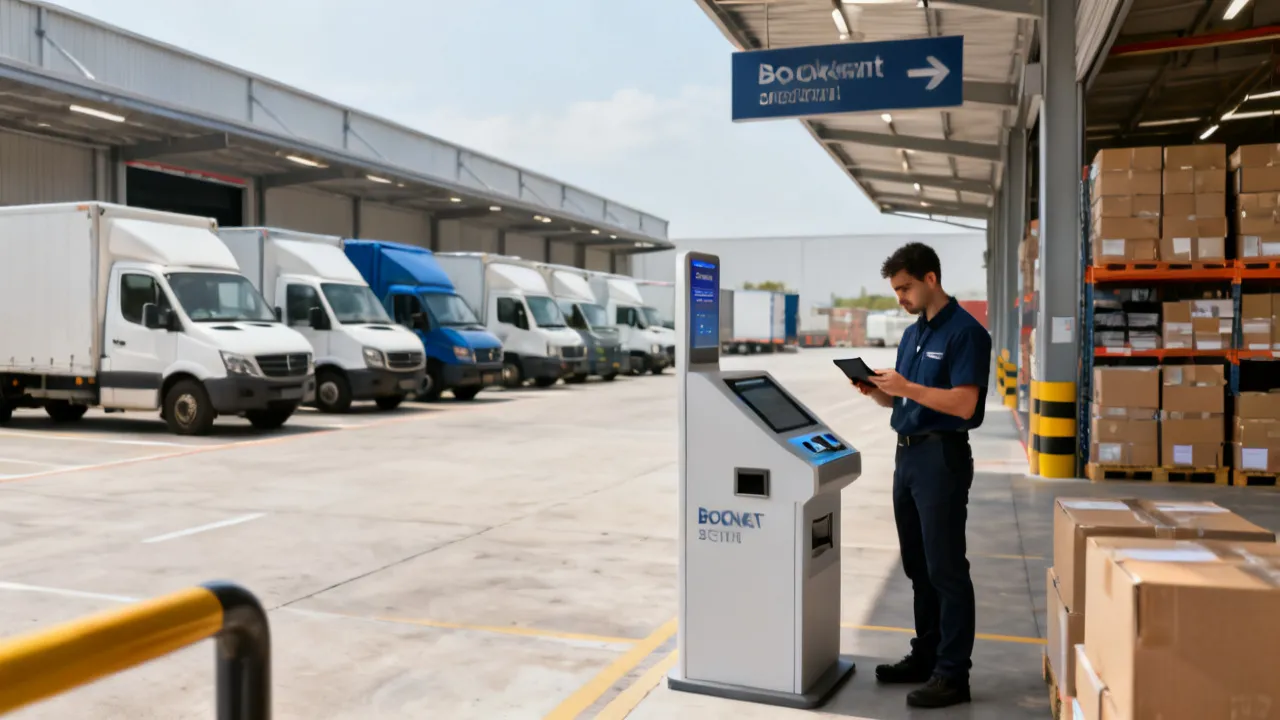
Vehicle Availability Guide for Smarter Fleet Planning
Vehicle availability determines whether deliveries, field work, and customer service can run on time. This guide explains how availability is measured, what typically limits it, and how suppliers and fleet managers can align schedules, maintenance, and demand. It also presents practical conditions, a decision framework, and expert-backed FAQs to reduce downtime.

Vehicle Availability: Expert Guide for Smart Planning
Vehicle availability is the key factor behind smooth rentals, fleet scheduling, and delivery commitments. This guide explains what “Vehicle Availability” means in practice, how suppliers manage inventory, what drives real-time supply, and how you can plan responsibly to reduce delays—using clear decision criteria, checklists, and requirements readers can apply across common vehicle categories.

Understanding Vehicle Availability for Smarter Sourcing
This guide explains how Vehicle Availability is assessed, confirmed, and managed when you’re sourcing cars through suppliers. You’ll learn objective ways to evaluate inventory readiness, lead times, and documentation requirements, plus practical decision criteria for buyers and fleet managers. Background context covers why real-world availability often differs from online listings.