Binster Bt 185 offers a practical option for buyers comparing performance, compatibility, and supply terms. This guide provides objective background on the Binster Bt 185 concept, how “BT 185” is typically evaluated in procurement contexts, and what factors matter when comparing suppliers, pricing structures, and installation requirements for industrial users.
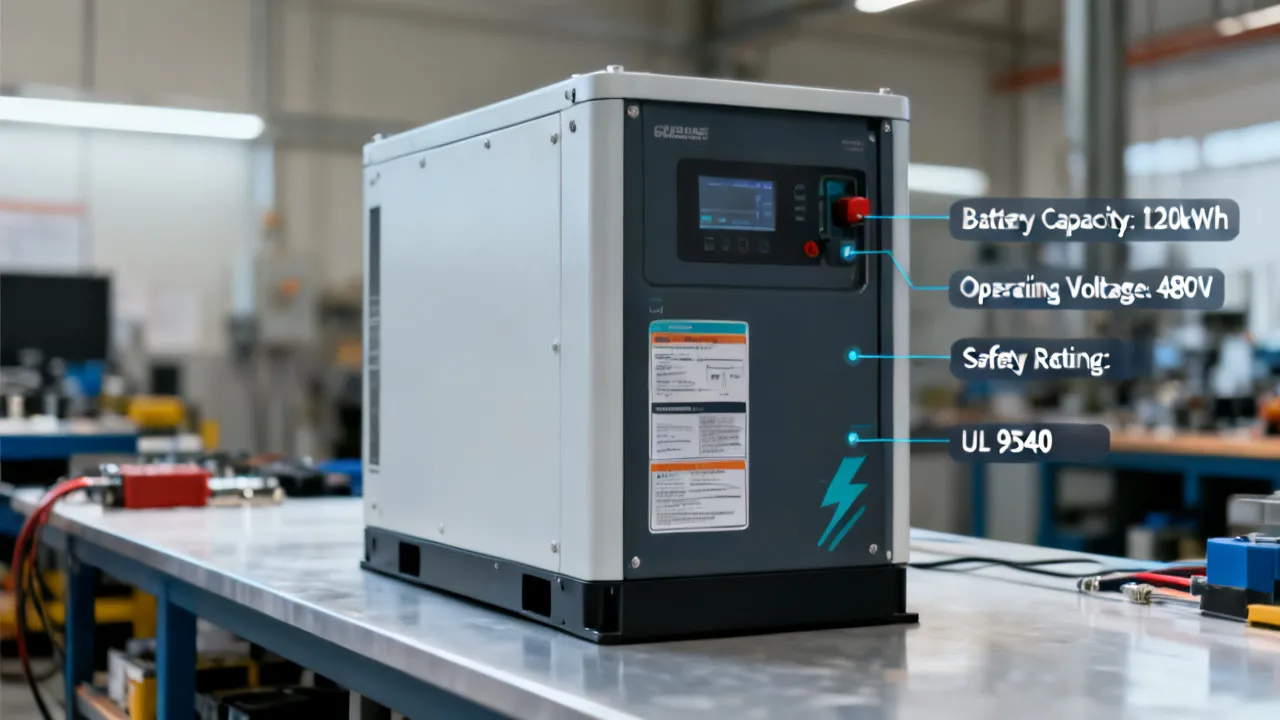
Binster Bt 185 is commonly evaluated in procurement decisions based on three areas that directly affect total outcomes: (1) technical fit for your application, (2) reliability of the supplier and documentation, and (3) the real cost of ownership beyond the headline price. Because “Binster Bt 185” can appear across different listings and configurations, the buyer’s first task is to confirm the exact model variant, operating requirements, and included components—then compare price terms (warranty scope, lead time, and support) rather than price alone.
From an industry perspective, many purchasing teams treat a battery or power-related product like Binster Bt 185 as a system purchase. In other words, performance claims and “price” only become meaningful after you verify the specifications, compatibility, and after-sales structure. This is especially important when the product is sourced through distributors, OEM partners, or multi-tier channels.
Another practical reason buyers should slow down at the “at a glance” stage is that model-number shorthand often hides meaningful differences. Two products that share a similar name can vary by firmware revision, connector revision, firmware settings, protective electronics, documentation package, compliance certifications, or even packaging requirements. Those differences might not show up in the listing title or the thumbnail image—but they can directly change integration effort, commissioning time, and the likelihood of avoiding warranty disputes later.
To make this guide useful beyond general advice, you should treat the checklist below as a set of verification gates. Each gate should have evidence you can file (datasheets, certificate PDFs, photos, serial/batch references, warranty terms). When a supplier cannot provide evidence, the risk is not only that the product is “different,” but also that you cannot prove what you were sold if an incident occurs during operation.
In procurement contexts, “Binster Bt 185” is used as a product identifier that helps buyers match documentation, technical drawings, and installation guidance to a specific equipment need. The “BT” portion is often treated like an internal series or family label, while “185” typically signals a capacity class, rating reference, or configuration level. However, exact meanings can differ by manufacturer, reseller, or region, so the safe approach is to rely on the datasheet, certificate documents, and model-number mapping provided by the seller.
Because many industrial products are not directly interchangeable, buyers should avoid assumptions based solely on naming. Instead, they should confirm:
It also helps to define what “fit” means for your particular purchase. Fit may mean “drop-in replacement,” “compatible with defined interface,” or “requires commissioning and integration work.” If you do not specify which interpretation applies, procurement may accept a product that meets some specs but not the acceptance definition used by engineering or operations.
One more background nuance: buyers often encounter variations when products are sold through different channels. A distributor may list a generic variant for marketing convenience, while the OEM or factory may provide a more precise internal mapping. That mismatch can lead to receiving the wrong revision or receiving a product with documentation that does not align with the serial/batch you installed. The verification steps later in this article are designed to reduce those risks.
When buyers search for “Binster Bt 185 price,” the results can reflect different purchasing models: boxed units, packaged bundles, or channel-specific pricing. An industry-grade comparison should separate four components of the offer:
Even when unit price appears lower, the “effective cost” can become higher if warranty coverage is limited, if delivery lead time disrupts operations, or if you must source missing accessories separately. Conversely, a slightly higher price can be justified if the supplier provides verified documentation, fast dispatch, and clear support paths.
To compare offers fairly, you should also consider how each supplier handles common procurement friction points: documentation turnaround, certificate issuance, or replacement processes for receiving defects. These are rarely captured in the headline price, but they drive real operational costs such as engineering time, rework, and downtime.
Additionally, consider whether the supplier is selling as a standard catalog item, as a build-to-order item, or as a refurbished or open-box product (if that category is relevant in your market). Build-to-order may have different lead times and may require pre-approval of configuration codes. Refurbished items may have different warranty scopes and different documentation completeness. All of these can change procurement risk substantially.
In real-world procurement reviews, the very common failure point is mismatch between product expectations and system requirements. To reduce risk, an expert buyer typically performs a structured technical validation before placing a PO for Binster Bt 185.
The guiding principle is simple: you are not buying a name; you are buying a specific configuration that must function in a defined system. Therefore, your checks should cover the three layers of verification that matter most in practice:
Request the datasheet that matches the seller’s exact listing identifier. Verify the rating referenced by “185” and ensure it aligns with your system’s electrical, control, and energy requirements. If a seller cannot provide a model-mapped datasheet, treat it as a red flag for auditability and safe integration.
What “exact variant” means in practice depends on the product class, but often includes details like:
Because “185” might be interpreted differently across vendors, you should require the supplier to show the mapping between the listing number and the datasheet code. If they give you a generic PDF for “Binster Bt 185” but the PDF is not tied to the quoted SKU, you may end up validating the wrong product.
For any energy-storage or power-related device, integration depends on control interfaces, voltage/current limits, charging profiles, and safety systems. Check whether your system expects specific communication protocols, protection layers, or installation constraints.
Compatibility is rarely limited to “can it connect.” Often your engineering acceptance tests depend on behaviors under dynamic conditions such as load changes, start-up sequences, and fault handling. For example, a system might expect a certain handshake procedure with a battery management controller. Another example is the system’s thermal management: even if the battery fits mechanically, the required airflow or mounting orientation could be different and impact performance and lifespan.
To validate compatibility, ask for integration notes and recommended operating conditions. If the supplier cannot provide integration notes, consider requiring a written compatibility statement from their technical team and ensure it is included in the purchase agreement or ticketing record.
A reliable supplier usually provides more than a product label. Look for safety documentation, usage guidelines, and warranty coverage that reflects practical conditions of use. If the warranty is “limited” or excludes installation contexts, ensure your risk assessment accounts for it.
Documentation completeness matters in multiple ways:
As you review warranty terms, pay attention to how the supplier defines eligible claims. Many warranty documents specify conditions such as installation by authorized personnel, use within specified limits, maintenance schedules, or exclusion of damage caused by improper handling. If those conditions do not match how your team typically operates, then even a “standard warranty” might not protect you in practice.
Where battery technologies are involved, shipping conditions and packaging matter. Confirm that the supplier follows appropriate handling procedures and provides documentation needed for receiving inspection and storage.
Shipping and packaging verification should include:
In many facilities, receiving inspection is where projects either succeed or stall. If your receiving team does not know how to verify the item on arrival, they may not record batch/serial identifiers and then you lose the audit trail needed for warranty or root-cause analysis later.
Buyers often underestimate the “operational overhead” after purchase. Commissioning steps, monitoring schedules, and maintenance requirements can influence good performance and downtime costs.
Commissioning is not just turning the unit on. For many power devices, commissioning can include steps such as confirming parameter settings, verifying sensor readings, running a safety self-test, and validating communication or monitoring channels. Some devices require calibration checks or firmware configuration. If those tasks are not accounted for, you might experience delays even after the hardware arrives.
Maintenance requirements are also important. Batteries and energy storage components often have recommended inspection intervals and end-of-life indicators. Even if you do not plan to replace the product immediately, maintenance planning influences how you staff operations and how you manage spares.
If you are comparing Binster Bt 185 offers, use a workflow that reduces ambiguity. The aim is to force every supplier to answer the same questions. That makes it easier to compare price terms objectively.
To strengthen this workflow, add a “documentation gate” before you even accept the final price. For example:
This approach reduces the risk that procurement signs off on a quote that looks competitive but cannot be validated technically. It also reduces cycle time because you address mismatches early, when changes are easier and cheaper.
The table below rephrases supplementary “additional information” into a comparison format—use it to standardize how your team evaluates Binster Bt 185 offers across different suppliers.
| Decision Factor | What to Ask | Acceptable/Ideal Evidence | Buyer Risk if Missing |
|---|---|---|---|
| Model verification | Does the quote match the exact “Binster Bt 185” variant on the datasheet? | Datasheet/model number mapping + serial/batch documentation | Incorrect fit, audit gaps, safety compliance issues |
| Technical specs | Are electrical and operating specs provided (limits, interfaces, protection expectations)? | Specification sheet covering operating range and constraints | System instability or commissioning failure |
| Price structure | Is price quoted per unit, per kit, or bundled with accessories? | Line-item quote with included components listed | Hidden costs during procurement follow-ups |
| Warranty scope | What is covered, for how long, and under which conditions? | Clear warranty document + service terms | Unexpected replacement costs |
| Lead time & logistics | When will it ship, and how is it packaged/handled? | Dispatch timeline + handling/shipping notes | Operational delays and receiving complications |
| Documentation | Are manual, safety notes, and compliance statements included? | Complete manual set and safety guidance for the exact item | Training gaps and improper installation risk |
One practical enhancement to this table is to include a scoring column (for internal use) such as “0 = missing,” “1 = partial,” “2 = complete.” That way you can compare suppliers not only on price but also on the quality of evidence provided.
Use this structured approach to compare suppliers and pricing fairly, without relying on marketing claims.
To make these steps more effective, consider adding a “risk register” at Step 1. A risk register can list likely issues such as variant mismatch, missing accessories, incomplete compliance documentation, or longer lead times than expected. Then each subsequent step can either remove that risk with evidence or explicitly accept it in writing.
Another helpful improvement is to align procurement and engineering on acceptance criteria. For example, acceptance might include verifying:
If your team does not define acceptance criteria upfront, suppliers may assume you only care about the ability to power up, while engineering may require full integration tests. Clear acceptance criteria reduce disputes later.
If your search is effectively targeting nearby procurement—logistics, receiving procedures, and service response become more relevant. In many regions, buyers prefer suppliers who can coordinate faster dispatch, provide clearer documentation for local compliance checks, and offer predictable return handling. Even without naming a specific city or country in the keywords, the practical takeaway is that “nearby” availability can reduce downtime and shorten the time required to resolve documentation or installation questions.
Local sourcing can matter particularly for products that are sensitive to shipping conditions or have defined receiving timelines. For instance, if a product requires inspection, storage conditions, or a specific commissioning window after arrival, then a long cross-border shipping delay can turn a straightforward procurement into an operational problem. Nearby suppliers may also be more responsive if you need a quick technical call to resolve a parameter setting or installation ambiguity.
Beyond logistics, local sourcing can help with:
However, “nearby” does not automatically mean better. You still need the evidence checks: correct datasheet revision, warranty terms in writing, and model-number mapping tied to the exact SKU. Proximity reduces friction, but it does not remove technical risk.
Confirm the exact variant and ensure the quote matches the datasheet revision. Verify operating constraints, interfaces, connector/mounting compatibility, included accessories, and the warranty scope.
Also, confirm how the supplier identifies the specific unit in the shipment. Ideally, your packing list and invoices should include serial/batch identifiers that match the unit labels. If your receiving team is not provided those details ahead of time, you may have difficulty reconciling documentation during commissioning.
Compare total offer value: unit price plus what is included (accessories, manuals), warranty duration and conditions, lead time, and logistics handling. A lower unit price can be more expensive if accessories or documentation are billed separately or if warranty coverage is narrower.
For a more accurate comparison, consider using a “total procurement value” model that includes:
Not automatically. Direct replacement depends on exact electrical compatibility, charging/control requirements, mounting and connector details, and safety/protection expectations. Always rely on manufacturer documentation and system integration notes.
Even when two devices appear similar on paper, direct replacement can fail due to differences in control behavior. For example, one device may support a communication protocol and provide monitoring data in a format your system does not expect. Another may have different protection thresholds. Those differences can cause operational instability even if the device “works” at initial power-on.
At minimum, request the datasheet and user/manual documentation for the exact listing. Also request warranty terms and any available compliance or handling documentation relevant to safe receiving and storage.
Depending on your industry requirements, you might also need:
Yes—very industrial power or battery-related products require defined commissioning steps and monitoring routines. Follow the manufacturer’s installation guidance and ensure your system’s control methods align with the product’s specifications.
When commissioning requirements exist, procurement teams should ensure those requirements are communicated to the field or maintenance teams. If procurement purchases the device but the commissioning team is not aware of required steps or preconditions, you can end up with “in-field failures” that are avoidable and difficult to diagnose later.
The very frequent issues are variant mismatch, incomplete specification capture during quotation, misunderstanding bundle contents, and inadequate warranty/service documentation. Standardizing your request questions greatly reduces these errors.
Other common mistakes include:
Ask for model-number mapping and the exact datasheet revision from the distributor, not just a generic product description. Request clear warranty terms and ensure return policy details are written into the purchase agreement.
Additionally, request a “document packet” that includes the exact datasheet revision number and a list of included documentation. Some distributors provide only a partial PDF set unless you specifically request a complete package. If you need specific certifications or compliance statements for internal audits, request them explicitly and verify they match the product variant.
If you encounter performance claims related to “Binster Bt 185,” the safest method is to request test conditions and standards references. For example, performance testing and safety guidance for energy storage products are often aligned with recognized international standards and industry testing protocols. For battery safety and handling, buyers may refer to standards guidance commonly used across the industry (e.g., IEC standards for safety and transport guidance where applicable) and confirm whether the product’s documentation explicitly references relevant testing/qualification.
When formal verification is needed, a buyer can request third-party test reports (when available) or documentation showing compliance to relevant standards. This keeps procurement decisions grounded in evidence rather than marketing language.
To make this practical, you can ask suppliers for a “claims traceability” list. That list should show:
This reduces the chance that the supplier cites performance results that are valid only under narrow conditions. It also helps your engineering team determine whether those claims match your operational reality.
Choosing Binster Bt 185 is less about chasing a single number like “price” and more about validating that the quoted unit matches your technical needs and that the supplier can support it with reliable documentation and warranty terms. By confirming the exact variant, checking system compatibility, comparing total offer value, and following a structured evaluation workflow, buyers can reduce the risk of integration problems and make procurement decisions that stand up to operational scrutiny.
If you share your application requirements (or the system specs you need it to integrate with) and the exact listing variant you are considering for Binster Bt 185, you can also refine the checklist into a tighter technical acceptance plan.
Striking the Perfect Balance: Navigating Premiums and Out-of-Pocket Expenses in Senior Insurance Plans

Explore the Tranquil Bliss of Idyllic Rural Retreats

How to Make Lasting Memories at Disneyland Attractions

Affordable Phones and Plans for Seniors

Affordable Full Mouth Dental Implants Near You

Unlock the Top Kept Secrets to Finding Your Ideal Dentist for Flawless Dental Implant Results!

Discovering Springdale Estates

Unveiling RS Sul Telecom Services

The Guide to Car Trading


Understanding Lato Sensu Education
Lato Sensu is a term used to describe a type of specialized education, typically in the context of postgraduate studies. It emphasizes a flexible, broad approach to learning compared to more narrowly defined courses. This article delves into the significance, scope, and benefits of Lato Sensu programs, particularly how they cater to professionals seeking career advancement.

Unlocking the Secrets of Wizard Lessons
Wizard Lessons offer a glimpse into the mystical world of magic, providing structured learning experiences for aspiring wizards. These lessons cover various aspects of magic, from spell casting to potion making, and are deeply rooted in both tradition and evolving magical practices. Aspiring wizards can delve into these teachings to enhance their magical prowess and understanding of the enchanted arts.

Understanding Lato Sensu Courses
Lato Sensu refers to postgraduate courses offering specialized education, often linked to practical experiences and professional enhancement. These programs emphasize advanced learning tailored to students' chosen fields, with flexible formats to accommodate diverse educational goals and local contexts. This article explores the significance, structure, and advantages of Lato Sensu programs for aspiring professionals.

Understanding Lato Sensu Education Courses
Lato sensu education courses are specialized postgraduate programs offering practical skills and knowledge in specific fields. Distinct from stricto sensu programs focusing on academic research, lato sensu courses are typically shorter and professionally oriented, making them attractive to those seeking career enhancement. This article delves into the intricacies of lato sensu education, exploring its benefits, structure, and global perspective.

Understanding Lato Sensu Education
This guide explores the essential aspects of Lato Sensu programs, which are critical post-graduate courses focusing on specific professional skills enhancement. Typically found in Brazilian education, these programs differ from Stricto Sensu courses by emphasizing practical skills over theoretical research. The article analyzes the elements critical to choosing a Lato Sensu course, such as institution reputation, course content, and potential career outcomes.

Understanding Lato Sensu Programs
Lato Sensu programs are advanced educational offerings focused on professional specialization and continued learning. These programs, prevalent in various regions, cater to the needs of professionals who seek to enhance their expertise through structured curricula, diverse opportunities, and practical-oriented teaching methods. They are crucial for adaptive workforce development in today's dynamic professional landscape.
