This guide explains how Dentalplans.com helps consumers understand and compare options for dental implants, including low-cost pathways and insurance-related decision points. It also outlines practical steps for obtaining implants in English-, Spanish-, and Portuguese-speaking markets, with reference cost ranges by country and a careful, evidence-minded approach to planning treatment.
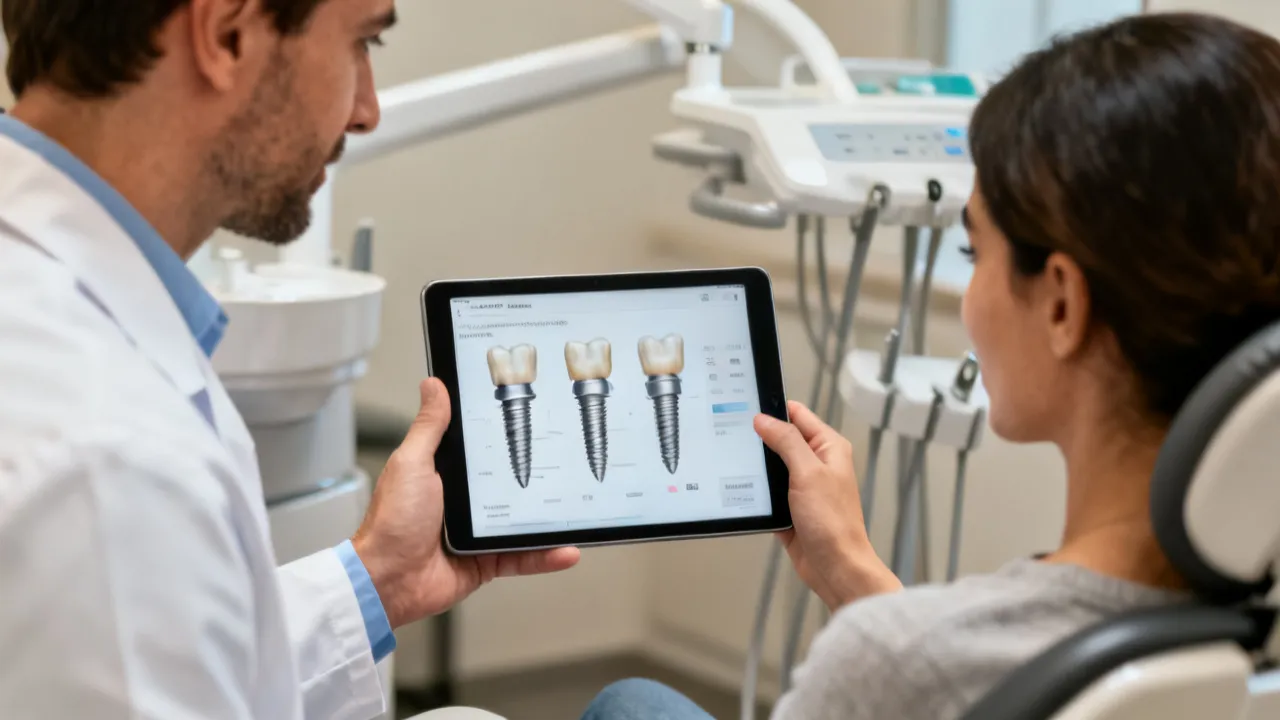
For many patients, dental implants are both a medical decision and a budget decision. Dentalplans.com functions as a consumer-facing entry point to explore dental plan options and coverage logic—especially relevant when you’re comparing low-cost implant strategies across different countries. Rather than treating price as the only factor, the very reliable path is to pair cost visibility with clinical eligibility screening, treatment planning, and transparent documentation of what’s included in the total fee.
In practice, “low-cost” should be interpreted as a combination of (1) appropriate clinical selection (you may need additional pre-implant care), (2) financing/coverage alignment, and (3) choosing a provider with a clear protocol for implant planning, imaging, surgery, and follow-up. That approach is consistent with how many implant information platforms describe the process—focusing on treatment steps, typical workflows, and patient FAQs rather than a single advertised price.
Because implants are elective procedures (even when medically indicated, they are usually scheduled), patients naturally compare offers. But affordability comparisons can be misleading when one quote includes everything while another includes only a subset of services. A structured starting point like Dentalplans.com helps you understand how coverage is often categorized and processed—so you can ask better questions and request comparable, itemized treatment plans from each clinic.
A common mistake when researching implant costs is to focus on the headline number for the implant placement itself. However, insurance plans (and many financing programs) frequently handle different parts of the dental process differently. You might see coverage assumptions that look straightforward on paper, yet the fine print can change your real out-of-pocket costs.
Coverage logic can influence: whether diagnostics are covered separately; whether bone-grafting is considered a separate benefit category; whether crowns or bridges are covered under basic or major dental benefits; and whether there are waiting periods, plan maximums, annual caps, or exclusions. Even when implants are not covered in full, you might still reduce overall costs through coverage of diagnostic imaging, exams, periodontal stabilization, or prosthetic components.
Using Dentalplans.com early in your research can help you build a clearer “map” of what to ask for. Instead of asking, “How much is the implant?” you’re better positioned to ask, “What portion of the total treatment is typically categorized as diagnostic, surgical, and prosthetic—and which of those categories are likely to be covered by my plan?”
Dentalplans.com is commonly consulted by consumers who want to understand how dental insurance plans work—what they cover, which services are included, and how to estimate out-of-pocket costs. For implants, that clarification is crucial because the final “implant cost” can be affected by factors that insurance handling often treats separately, such as:
From an objective consumer-protection standpoint, a plan comparison tool is useful because it encourages you to ask consistent questions and request itemized quotes—reducing the risk of “apples-to-oranges” comparisons across clinics. When you compare two clinics, you should be comparing the same clinical scope, the same quality of diagnostic work, and the same restorative end result—not just the lowest initial price.
It’s also helpful to remember that “low-cost implant offers” can sometimes be low cost because they exclude parts of treatment that are routine for other patients. For example, some clinics may advertise a price that assumes no bone graft is needed; another clinic might include a full diagnostic and graft plan in the same figure. If your mouth needs grafting, those two offers are not directly comparable—yet patients often compare them as though they were.
When patients search for low-cost dental implants, they’re often reacting to the real financial burden of multi-step treatment. But implants are rarely a one-line expense. A good clinical plan generally includes these stages:
This structure is echoed by many dental implant information resources, including low-cost-focused pages that explain benefits, implant types, FAQs, and the cost drivers patients should recognize. The main professional insight is straightforward: when you compare “low-cost,” make sure you compare the same clinical scope.
To make this more practical, consider a patient scenario: imagine you need a single implant but also have gum inflammation and reduced bone height. Clinic A quotes “implant only.” Clinic B includes periodontal stabilization, possible grafting, implant placement, temporary restoration strategy, final crown, and scheduled follow-ups. Even if Clinic A’s implant figure is lower, it might not represent your actual end-to-end experience. A plan like the one you receive—and the documentation you can verify—determines whether you’re truly getting affordability or simply getting a partial package.
To give context on how various providers and informational platforms discuss implant care, it helps to look at categories of sources:
For Spanish and Portuguese-speaking readers, similar patterns appear, including bilingual or localized clinical information pages, implant education material from established brands, and region-specific dental networks and plan providers. The language and market context matter because the typical patient question differs. In some regions, patients focus on plan availability and in-network clinics; in others, the focus may be on direct-pay cash discounts, financing, or dental tourism.
| Website | Primary focus (for affordability research) | What it typically emphasizes |
|---|---|---|
| Dental Views | Low-cost implants education | Implant benefits, treatment types, patient FAQs, pricing factors |
| Atlantic Dental Group | Comprehensive clinic services | Appointment access, implant availability, broad dental care scope |
| DentaVacation | Dental tourism savings planning | International cost comparison concepts and travel arrangements |
| ADHP (American Dental Health Plans) | Insurance and coverage navigation | Plan selection, coverage options, and how consumers apply coverage |
| Rockville Dental Arts (ES) | Spanish-speaking clinical communication | Localized service descriptions including implants and related treatments |
| Union City Mini Dental Implants (ES) | Mini dental implants specialization | Technology-focused explanations and suitability discussions |
| Cigna (ES) – Knowledge Center | Insurance brand education | Implant education aligned with consumer understanding of treatment |
| DentalVidas | Dental plan provider in Brazil | Plan options, network access, and emergency support |
source links:
source: [www.dentalviews.com](https://dentalviews.com/low-cost-dental-implants/)
source: [www.atlanticdentalgrp.com](https://www.atlanticdentalgrp.com/)
source: [www.dentavacation.com](https://www.dentavacation.com/)
source: [www.rockvilledentalarts.com](https://rockvilledentalarts.com/es/)
source: [www.unioncityminidentalimplants.com](https://unioncityminidentalimplants.com/es/)
source: [www.cigna.com](https://www.cigna.com/es-us/knowledge-center/guide-to-dental-implants)
source: [www.rubiodonto.com.br](https://www.rubiodonto.com.br/)
source: [www.odontologiavelasco.com.br](https://odontologiavelasco.com.br/)
source: [www.dentalvidas.com.br](https://dentalvidas.com.br/)
For English-speaking markets, low-cost paths usually combine insurance navigation, provider comparison, and careful eligibility screening. The steps below reflect common decision-making patterns professionals encourage when patients ask about implant affordability.
In practical terms, “affordability” is often achieved not by choosing the cheapest implant placement, but by managing the entire lifecycle of care. That lifecycle includes the period after surgery when the implant must integrate and when risk factors—like smoking, untreated gum inflammation, or poor hygiene—must be addressed. The less robust the post-operative support, the higher the long-term risk.
English-speaking patients also benefit from adopting a documentation-first approach. For example, ask the clinic for:
These documents make it easier to verify whether your plan is comprehensive. They also make it easier to get a second opinion without repeating every test.
Spanish-speaking markets often include a mix of localized clinic communication, insurance education, and specialization clinics. Professionals generally recommend the same core principles—transparent scope matching and eligibility screening—while adapting questions to localized practices.
Spanish-speaking patients often face additional practical communication hurdles—particularly if insurance documents are not in the same language as the provider’s paperwork, or if a clinic uses local billing categories that differ from your plan’s naming. To reduce misunderstandings, ask clinics to provide written estimates and to describe each phase in simple terms. For example, if you are quoted “x for implant placement,” ask what that covers and whether it includes:
This helps you compare providers fairly and reduces the likelihood of budget surprises.
Portuguese-speaking regions can feature plan providers, clinic networks, and established service offerings. In this context, a professional approach typically emphasizes plan access, network fit, and careful documentation.
Because Portuguese-speaking patients may consider both direct-pay and plan-based strategies, it’s helpful to compare “total treatment cost” across both models. In other words, don’t only compare what you pay on Day 1. Compare what you pay at the end of the prosthetic phase—and compare expected follow-up support. Sometimes a plan-based strategy looks more expensive upfront but can be cheaper over the full cycle if it reduces prosthetic costs or covers key diagnostics.
Below are reference cost ranges for individual dental implants only in selected markets. These values are provided to support initial budgeting and comparison; final pricing depends on clinical requirements, implant system, prosthetic design, and local market factors.
| Country | Currency | Price range (individual implant) |
|---|---|---|
| United States | USD | $3,000 - $6,000 |
| United Kingdom | GBP | £2,000 - £2,500 |
| Australia | AUD | AU$3,500 - AU$6,500 |
| Canada | CAD | CA$3,000 - CA$5,500 |
| Spain | EUR | €1,500 - €2,500 |
| Chile | CLP | CLP$800,000 - CLP$1,500,000 |
| Mexico | MXN | $15,000 - $25,000 |
| Colombia | COP | $2,000,000 - $4,000,000 |
| Peru | PEN | S/ 3,000 - S/ 6,000 |
| Argentina | ARS | $80,000 - $150,000 |
| Brazil | BRL | R$3,000 - R$8,000 |
| Portugal | EUR | €1,000 - €2,000 |
To interpret these values correctly, consider that “individual dental implant” does not automatically include the crown or the entire prosthetic system. Many patients discover later that the final restoration can be a significant portion of the total treatment cost. That’s why the earlier step—requesting itemized quotes and aligning them with your plan categories—is so important.
If you’re using these ranges for budgeting, use them as a “starting point” only. Then ask each clinic to clarify what’s included in their quote and whether additional steps—like grafting—are expected based on your imaging. A quote that assumes no graft may be accurate for one patient but not another. Even within the same country and similar implant size, the clinical requirements can vary dramatically.
While budgets matter, implant outcomes depend on biological and mechanical factors. Industry guidance consistently emphasizes that good success is linked to appropriate case selection, surgical technique, restorative planning, and maintenance. In professional terms, the “cheap option” risk is usually not the implant screw itself; it’s the mismatch between your clinical needs and the scope of the offered plan.
From an expert viewpoint, you can reduce uncertainty by evaluating these variables:
It can also help to recognize how clinics may differ in how they communicate uncertainty. A responsible clinic doesn’t just say “the cost is low”; it explains why it can be low, for whom it’s appropriate, and what happens if the treatment changes. For instance, if grafting becomes necessary, what additional costs apply? If your implant needs additional time before loading, what scheduling adjustments occur? If temporary restoration is planned, who provides it and how much does it cost?
By contrast, an irresponsible low-cost offer might provide a single number without a clear explanation. If you can’t get a written timeline, an itemized plan, or a transparent explanation of what might be added due to clinical findings, you may be taking on hidden risk. Hidden risk often translates into hidden cost later.
Dental insurance coverage varies widely by plan and country. Some plans may cover parts of implant-related care (often diagnostic services or selected components), while coverage for the surgical implant and crown can differ. The very useful approach is to use a plan comparison resource such as Dentalplans.com to understand coverage logic, then confirm coverage specifics with your insurer and provider using itemized treatment codes/estimates.
It’s also worth understanding that “covered” does not always mean “fully paid.” Many plans involve annual maximums, deductibles, coinsurance, or waiting periods. In some cases, you might be able to reduce cost by timing treatment relative to plan renewals or benefit resets. A patient can ask their insurer whether there are rules for preauthorization, documentation requirements, or claim submission details for implant-related benefits.
A comprehensive implant quote should specify: imaging/diagnostics (if included), the implant placement procedure, any bone or soft tissue procedures required, the abutment, the final restoration (crown/bridge), and post-operative follow-up visits. If a quote is unusually low, ask whether it excludes prosthetic components or future adjustments.
In the real world, “quote completeness” is one of the biggest differentiators between affordable options and deceptive ones. A clinic might offer a low surgical fee but charge separately for imaging, sedation, temporary restorations, or prosthetic delivery. That might still be a fair offer if those additional fees are explained and you agree to them upfront. The issue is when you receive incomplete information and later face add-on expenses.
Therefore, ask whether the price includes:
Safety depends on clinical suitability, surgical and restorative standards, and documented protocols—not on price alone. A professional provider should be able to explain the treatment plan, implant selection rationale, and follow-up schedule. If they cannot provide transparent details, it’s reasonable to treat the offer with caution.
Another practical safety factor is whether the provider follows evidence-based infection control protocols and whether they use appropriate imaging for your anatomy. Many complications arise from inadequate planning rather than from the implant itself. For example, insufficient assessment of bone volume or failure to plan for soft tissue management can increase risk of complications or esthetic problems that require revision.
Dental tourism can reduce costs for some patients, but it introduces continuity-of-care challenges. If you consider travel, plan for pre-op assessment, documentation transfer (including imaging), clearly defined follow-up visits, and a contingency plan for complications or adjustments after you return home. Educational resources like DentaVacation describe cost-comparison and travel planning concepts; your clinician should still guide medical decisions.
Dental tourism can work best when the treatment plan is straightforward and when there is robust documentation for follow-up. However, implants often require multi-stage healing and prosthetic phases that extend beyond the initial visit. If follow-up will occur in another country, ensure the receiving team has access to your records and understands the procedure details, including implant system, size, and planned loading protocol.
Patients should also ask about emergency support during travel. For example: who provides contact information if swelling, infection, or discomfort becomes severe? What happens if a component needs replacement? How are warranties handled across borders?
Mini implants may reduce cost and complexity in selected cases. However, appropriateness is case-dependent. Specialized providers that focus on mini dental implants may discuss technology and suitability, but your eligibility must be confirmed through assessment of bone structure, alignment, and restorative demands.
Mini dental implants are not automatically “cheaper equals better.” They may be suitable for specific denture stabilization or certain anatomy conditions. But your bite forces, prosthetic design needs, and bone quality can limit who is an appropriate candidate. A clinic that offers mini implants should still provide a clear explanation of why mini implants are selected, and how they will be restored to ensure long-term function and comfort.
Many treatment plans involve multiple visits across diagnostic, surgery, healing, and prosthetic delivery. Some protocols are staged; others may offer time-efficient sequences depending on your clinical situation. Ask for a timeline and what happens at each visit.
The number of visits can also influence your total cost. Even if the surgical fee is low, additional travel, time off work, or multiple interim appointments can erode savings. That’s why a practical affordability plan considers both financial and logistical cost. Ask the clinic about appointment scheduling, expected duration of each visit, and whether any visits are included in your quoted fee.
Good success generally requires diligent oral hygiene, professional checkups, and adherence to a maintenance schedule. Your provider should outline recommended recall intervals and cleaning support. Maintenance costs should be included in your overall cost evaluation, even if they are not included in the initial quote.
Maintenance is not optional. Implants still require prevention of bacterial accumulation around the implant/abutment interface. Over time, peri-implant inflammation can lead to complications if not detected early. A low-cost plan that omits maintenance support may not be low cost over the full lifecycle.
Ask your provider:
Request a written treatment plan and estimate (itemized), imaging records, implant/prosthetic component details, warranty or guarantee terms, and an outline of follow-up and maintenance. If you’re using insurance, ask how claims are submitted and what documentation you will need.
Some clinics can provide a “treatment plan letter” or a detailed estimate. If you plan to use insurance, request any documentation needed for preauthorization. If you plan to get a second opinion, ask for imaging on a portable format where feasible. This reduces duplication of tests and can help ensure your comparisons are based on the same clinical facts.
Dentalplans.com can help you compare plan options and understand consumer coverage considerations—useful for estimating what might be covered and where you may have out-of-pocket exposure. Then, use that understanding to ask clinics for itemized quotes that match your plan coverage categories.
One practical way to use Dentalplans.com is to identify plan options that are likely to be compatible with your expected implant pathway. If your research suggests you’ll need diagnostics, periodontal care, and the final prosthetic components, you can choose a plan that covers those categories more favorably. You can then align clinic quotes with the same categories, so you can estimate your true cost rather than guessing.
Ask each clinic to provide itemized estimates and to explain differences in scope: implant type, need for grafting, prosthetic design, temporary restoration plans, follow-up visits, and warranty terms. Differences often come from clinical requirements or the level of detail included in the quote.
When you receive two conflicting estimates, do not assume the highest price is always overpriced or the lowest price is always a bargain. Instead, compare the underlying plan components. If Clinic A includes diagnostic imaging and the final crown while Clinic B omits those, the difference is expected. If both include the final restoration, then you can look deeper into the implant system, the number of implants, the need for grafting, and the expected timeline.
Also consider the provider’s approach to risk. A clinic might quote a higher price because it includes additional preventive steps, such as periodontal stabilization or a more detailed prosthetic design process. Those steps may be necessary and could lead to better long-term stability. A quote that seems low might be low because it doesn’t address complexity.
Low-cost pathways usually come with implicit clinical and administrative requirements. Before committing, ensure you can meet these conditions:
Patients often focus on “can I afford it now?” but should also ask “can I complete it safely?” Completing implant care requires multiple appointments and a strong commitment to post-operative monitoring. If you are financially constrained, ask about staged financing or phased treatment—but still insist on a written plan that spells out what you will receive at each stage, and what clinical criteria must be met before proceeding.
Another requirement to watch is whether the low-cost plan includes a realistic timeline for healing. If a clinic plans to load the implant too early for your case, that could create risk. Conversely, delaying too long without a plan could also create complications. A good provider explains the “why” behind the timeline based on your specific health and anatomy.
If you’re using a budget strategy, this checklist helps you make a more defensible comparison:
Use this checklist to avoid “false affordability.” A quote can look cheap while actually being expensive due to missing steps. False affordability is particularly common when comparing offers across countries, because advertising styles differ. Some clinics market an implant price as if it were a complete package, while other clinics separate surgical and prosthetic phases. Without documentation, you can mistake partial pricing for full treatment affordability.
Start with structured research and verification: use Dentalplans.com to understand coverage logic; then schedule consults with providers to obtain itemized quotes and a written treatment timeline. If you are exploring English-, Spanish-, or Portuguese-speaking options, prioritize clear communication, documented clinical workflows, and continuity of follow-up—because the top affordability strategy is the one that remains safe and complete across the full treatment cycle.
To turn this into action, here’s a practical sequence you can follow:
When you follow these steps, “low-cost” becomes an evidence-based decision rather than a gamble. You still aim for affordability, but you protect the outcome: a stable implant, a comfortable bite, and a restoration that fits your long-term needs.
1) The above information comes from online resources, and the data is as of October 2023.
2) Dental implant prices are for reference only and may vary by region, clinic and doctor.
[Dentalplans.com (keyword reference in article context)]
https://www.dentalplans.com/
[Dental Views – Low Cost Dental Implants]
https://dentalviews.com/low-cost-dental-implants/
[Atlantic Dental Group]
https://www.atlanticdentalgrp.com/
[DentaVacation]
https://www.dentavacation.com/
[Rockville Dental Arts (ES)]
https://rockvilledentalarts.com/es/
[Union City Mini Dental Implants (ES)]
https://unioncityminidentalimplants.com/es/
[Cigna – Guía de Implantes Dentales (ES)]
https://www.cigna.com/es-us/knowledge-center/guide-to-dental-implants
[Rubi Odonto]
https://www.rubiodonto.com.br/
[Odontologia Velasco]
https://odontologiavelasco.com.br/
[DentalVidas]
https://dentalvidas.com.br/
Striking the Perfect Balance: Navigating Premiums and Out-of-Pocket Expenses in Senior Insurance Plans

Explore the Tranquil Bliss of Idyllic Rural Retreats

How to Make Lasting Memories at Disneyland Attractions

Affordable Phones and Plans for Seniors

Affordable Full Mouth Dental Implants Near You

Unlock the Top Kept Secrets to Finding Your Ideal Dentist for Flawless Dental Implant Results!

Discovering Springdale Estates

Unveiling RS Sul Telecom Services

The Guide to Car Trading

Affordable Full Mouth Dental Implants Near You
Discover options for affordable full mouth dental implants, including clinical trials and local dental services that offer cost-effective solutions.
Understanding Full Mouth Dental Implant Prices
Explore the costs and factors influencing full mouth dental implants for seniors and others.
Comprehensive Guide to Dental Implants
This comprehensive guide delves into the intricacies of dental implants, providing a global perspective with a special focus on Implantswiss. Dental implants, a pivotal advancement in restorative dentistry, offer solutions for missing teeth, aiding in oral health and functionality. This article navigates through cost-effective solutions, global pricing comparisons, and the role of Implantswiss in elevating dental care standards internationally.

Affordable Dental Implants Near You
Discover low-cost dental implants and quick solutions to fix your teeth with full mouth options available near you.
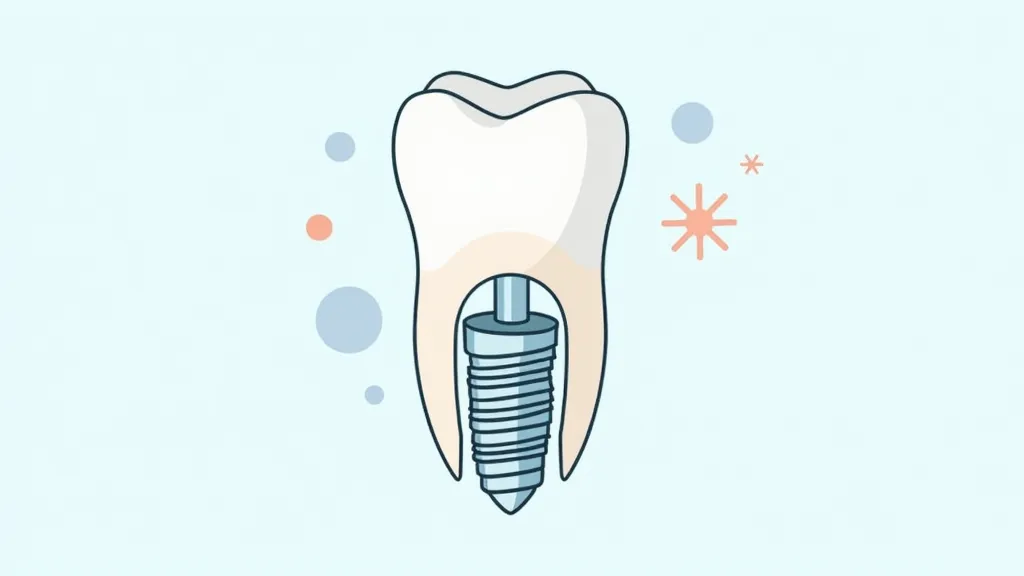
Understanding Dental Implant Prices and Options
Explore dental implant costs, funding, and full mouth options for a confident smile in 2025.
Affordable Dental Implants Near Me: Your Guide
Discover affordable dental implants, funding options, and fast solutions for fixing your teeth near you in 2025.
