This guide explains how to evaluate Chinatown Lofts for comfort, value, and good livability, with a focus on lease terms, building quality, and neighborhood fit. It provides objective background on what “loft” typically means in urban markets, how Chinatown-area locations influence daily life, and what due diligence tends to protect buyers and renters before signing.
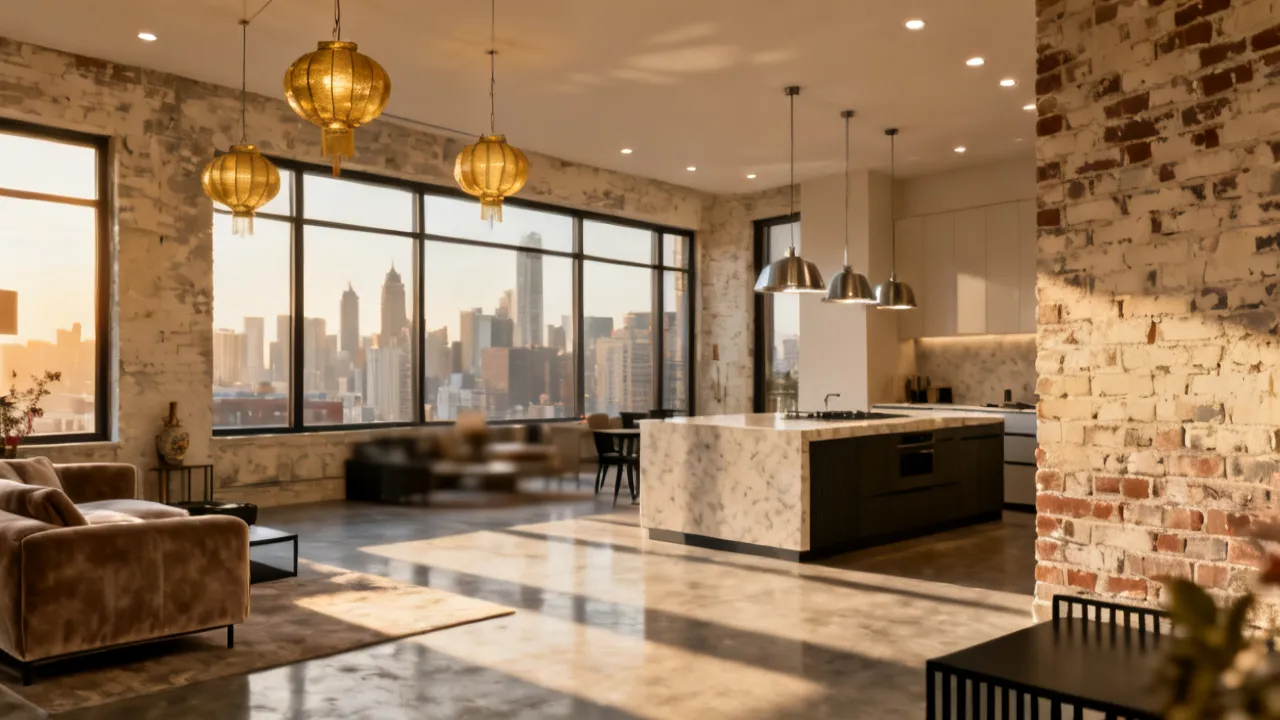
If you’re considering Chinatown Lofts, the very important step is aligning your housing priorities—light, layout, sound insulation, commute patterns, and lease or resale constraints—with what the building actually delivers. Loft-style residences can feel spacious and characterful, but the real “value” depends on construction details, HOA or building rules, and how well the unit fits your routine. Approach the decision like an audit: verify conditions, confirm costs, and ensure the contract matches your expectations.
In dense neighborhoods like Chinatown, that “audit mindset” matters even more because the surrounding environment contributes to your day-to-day experience. Your unit is not only competing with other listings; it’s also coexisting with delivery traffic, restaurant operations, pedestrian surges, and neighborhood sound patterns that differ by block. So the best way to choose a loft is to treat the building and the neighborhood as part of the same system—one that you can evaluate with the right questions, measurement, and documentation.
Loft housing in dense urban neighborhoods tends to be shaped by older industrial or warehouse stock repurposed for residential use. In many cities, lofts emphasize open plans, higher ceilings, large windows, and visible structural elements. In Chinatown-area markets specifically, residents often experience a distinct rhythm: morning markets, restaurant traffic, cultural events, and a strong walkable street life. That energy can be a major benefit—especially for people who prefer immersion over isolation—but it can also translate into higher variability in noise, deliveries, and pedestrian flow.
When people search for Chinatown Lofts, they usually want a balance: the “loft” aesthetic paired with a neighborhood that offers dining, transit access, and cultural authenticity. Your goal is to determine whether a particular building delivers that blend consistently, not only on listing photos.
There’s another nuance: lofts are often sold as “charm” and “character,” but those qualities are not automatically equal to comfort or predictable performance. A renovated loft might include modern fixtures while still inheriting older envelope weaknesses, such as less effective soundproofing, aging windows, or ductwork that doesn’t manage humidity well. The listing may show an open living area and an attractive kitchen, but it usually doesn’t show how the unit handles a rainy week, a summer heat wave, a winter cold snap, or a busy weekend night.
Chinatown also creates “spatial” differences in how noise and light feel. Some blocks are more active earlier in the day, while others have a stronger late-evening restaurant cadence. Even within the same building, the difference between a street-facing and an interior-facing unit can be enormous. A street-facing loft might have dramatic daylight and a lively vibe, but it may also experience more foot traffic at key hours, more delivery activity, and potentially different airflow behavior due to exposure. Understanding these micro-conditions is part of professional due diligence.
From an industry-expert perspective, the very overlooked differences between loft buildings are often not visible on marketing images. Before you sign a lease or purchase agreement, prioritize evidence-based checks:
For maximum clarity, treat each check as both a “comfort” factor and a “risk” factor. Comfort factors include temperature stability, controllability of sound, and daylight. Risk factors include how likely you are to face expensive repairs—like window replacement, major plumbing intervention, or HVAC system overhauls.
In practice, you’ll often need to be careful not to accept vague assurances. Phrases like “it’s been updated” or “the super handles it” may be true, but they’re not sufficient. Ask what exactly was updated, when it was last serviced, and how the building demonstrates accountability (for example, service logs, permit documentation, or maintenance records).
You didn’t provide specific numeric price figures, and that’s appropriate—pricing can vary significantly by unit size, building age, renovation level, views, and whether the residence is leasehold or affordablehold. Instead of relying on a single headline number, treat cost as a set of variables you can confirm:
If you do have local price context from your own market research, the very defensible approach is to sanity-check it using comparable listings and documented building features, rather than average “market rent” alone.
Here’s a helpful way to think about cost: calculate your “total monthly occupancy cost,” not just rent or principal-and-interest. For rentals, this might include utilities, parking, internet costs you might upgrade, and even the cost of replacing sound-dampening curtains or adding air filtration. For ownership, it might include HOA fees, special assessments risk, and insurance variability.
Also consider how loft features may change your spending patterns. For example, high ceilings and large windows might increase heating/cooling costs if insulation and window glazing aren’t adequate. Street-facing exposure might require window treatments sooner. If the building’s elevator reliability is questionable, your time (and possibly delivery costs) might increase. These are not “price multipliers” on the listing, but they can change your lived budget.
Living near Chinatown typically appeals to residents who value walkability and cultural variety—dim sum breakfasts, herbal shops, seasonal festivals, and everyday convenience stores. Many also like that Chinatown often sits close to transit lines and employment corridors. For some residents, the neighborhood feels lively in a way that reduces the need for long commutes and constant car use.
However, the same factors can create friction. Foot traffic concentrates at certain hours; delivery routes can be busy; restaurant back-of-house operations may affect early morning or late evening conditions. If you work from home or have a sleep schedule that’s sensitive to sound, these realities should influence unit selection. The top “Chinatown Loft” choice is the one that matches your tolerance for urban intensity.
To get real clarity, you can treat the neighborhood as a time-based variable. Create a simple observation plan:
When you do this, pay attention to what you can actually control. In many lofts, you may not be able to control street noise, but you can control your response—closing windows, using sound-dampening curtains, adjusting HVAC fan settings, or relocating your sleeping area within the unit. Your best unit will be one where your “control levers” are effective.
Your prompt references “supplier details.” In real estate and building evaluation, this typically translates into which contractors, property managers, or renovation professionals contributed to a loft’s upgrades—and whether their work is documented. Even when you can’t identify every subcontractor, you can still evaluate credibility through verifiable evidence:
From a risk-management standpoint, the “supplier” question is less about brand names and more about accountability: can the building owner demonstrate that key systems were installed and maintained to standard?
If a building can’t provide any documentation—no permits, no inspection references, no credible maintenance logs—you should treat that as an informational gap, not necessarily a deal-breaker. But you must compensate with deeper inspection and stronger contract safeguards (for example, requesting written disclosure of known issues, or negotiating concessions for repairs).
Another angle to consider is organizational supplier reliability: who handles the building’s “day-to-day.” In loft buildings, the fastest way to identify management quality can be to observe how responsive the leasing office or property manager is to your questions. If you ask for basic information and it takes weeks to respond, that pattern can reveal how issues will be handled once you’re a resident.
Use this sequence to minimize surprises. The goal is to reduce uncertainty before your money and timelines become hard to unwind.
One of the most overlooked steps is documenting everything you observe. Use a phone camera for your walkthrough notes: window condition, door gaps, visible seals, HVAC vent routing, and any signs of moisture. Keep your notes in a structured format so you can compare units later using consistent categories.
If you’re leasing, you might also consider a “pre-move-in” checklist. A professional-grade approach includes documenting current condition with time-stamped photos and confirming that the landlord’s responsibility for repairs is clearly described. In older buildings, you want to protect yourself against later disputes about what was damaged or present before move-in.
There are certain red flags that warrant deeper investigation before you proceed:
It can also be worth cautioning against “renovation fatigue.” Some buildings undergo surface-level refreshes without deeper envelope improvements, such as upgrading insulation, improving window seals, or addressing plumbing venting. Loft units can look immaculate but still behave poorly. That’s why the “how it feels in multiple conditions and times” method beats a single photo-like walkthrough.
Another caution category is “lifestyle mismatch.” If you work nights or have a sleep schedule that’s sensitive to early morning delivery traffic, you may face ongoing discomfort even if the loft is well-built. This is not a building defect; it’s a mismatch. The best tool is being honest about your tolerance and using observation times to validate your instincts.
Lofts succeed when three conditions align: (1) the structure is maintained, (2) the unit has practical environmental controls (air, temperature, moisture), and (3) the layout supports your daily routine. In dense neighborhoods like Chinatown, “environmental control” also includes sound management and efficient building operations. The loft concept is attractive, but the day-to-day quality depends on details like insulation, glazing, plumbing condition, and how the building handles garbage and deliveries.
It’s also useful to consider that Chinatown communities are dynamic—often shaped by migration, business cycles, and periodic redevelopment. For prospective residents, that means your living experience may evolve over time. A thorough pre-lease inspection and contract review help you avoid misalignment between expectations and reality.
From a structural and building-science perspective, lofts often have large openings and open floor plans. Open floor plans can be visually pleasing, but they can also create acoustic challenges because sound travels more easily in a large, shared space. That makes internal “zoning” within the loft—through placement of furniture, use of rugs, and sound-absorbing materials—more important than in traditional apartments. Some loft layouts include sleeping areas separated by partial walls, which can improve sound and privacy. If your loft bedroom is not acoustically separated, you may need to rely more on curtains, white noise systems, or different furniture layouts.
Environmental control is another major variable. In loft conversions, ducts and vents may be routed through areas that were not designed for residential HVAC loads. That can lead to uneven airflow. Uneven airflow can increase your comfort costs and can also worsen humidity control—humidity issues can contribute to odors and may impact indoor air quality. You don’t always need to become an HVAC engineer to evaluate this. You just need to notice how air feels near vents, how quickly rooms warm or cool, and whether windows fog or whether bathrooms ventilate effectively.
Moisture control matters because older structures can retain moisture in walls, ceilings, or subfloor areas. In humid seasons, you might notice subtle signs like condensation on windows, persistent musty smells, or discoloration on ceilings. In a loft, because ceiling heights can be dramatic, a moisture issue might show up in less obvious ways. A single inspection on a dry day might miss it. That’s why it’s beneficial to ask whether the building has had prior water intrusion, what fixes were done, and whether the problem recurs seasonally.
Below is a practical supplement to help you structure decisions around Chinatown Lofts without relying on marketing language.
| Category | What to Compare | Why It Matters | Common Requirement/Condition |
|---|---|---|---|
| Unit Envelope | Window seals, wall/ceiling insulation, door gaps | Controls noise and temperature stability | Inspection findings or documented upgrades |
| HVAC & Ventilation | System type, zoning, airflow, bathroom/kitchen venting | Determines comfort and moisture control | Proof of service/maintenance cadence when available |
| Sound & Community Noise | Street-facing exposure, neighbor unit proximity | Impacts sleep quality and work-from-home suitability | Time-of-day observation and building policy disclosure |
| Contract Terms | Lease length, renewal rules, notice requirements, utility responsibility | Prevents cost and schedule surprises | Written disclosures consistent with unit condition |
| Renovation Accountability | Permits, inspections, warranty transfers, scope of work | Reduces good repair risk | Documented major system upgrades |
| Maintenance Operations | Elevator uptime, common-area upkeep, pest control routine | Indicates how issues are handled | Clear building management responsibilities |
To make the table even more actionable, you can assign a simple score to each category for each unit you consider. For example: 1 = significant concern, 2 = acceptable but uncertain, 3 = strong evidence of quality. A score doesn’t make the decision automatically, but it helps you detect patterns—like multiple units with similar layout but different envelope quality. When you see that pattern, you know where your value truly sits.
Another improvement is to keep your evidence consistent. If one building provides service logs while another provides only verbal claims, you can reflect that difference directly in your evaluation rather than treating all listings as equal.
When you verify comfort, building performance, and housing-related consumer protections, it helps to rely on recognized authorities rather than impressions. Consider consulting:
Note: Because housing regulations and disclosures vary by jurisdiction, always confirm requirements with local official sources or a qualified professional.
If you want a practical translation of these resources into your walkthrough approach, here is how they connect to what you can actually do. DOE and ASHRAE concepts can help you understand why small envelope issues become large comfort issues in loft spaces—because open volume, large windows, and older construction can amplify energy loss or uneven airflow. Housing agencies help you understand which contract terms must be disclosed, which rules govern repairs, and how deposits and notice periods are typically handled.
They can be, depending on whether the unit faces the street, the building’s window glazing and sealing quality, and how active deliveries and pedestrian traffic are near your block. A responsible approach is to inspect at different times of day and ask for building-specific details about sound insulation and typical noise complaints.
One practical method is to stand near windows with the door open and closed, then listen for what changes. If sound dampening dramatically improves when windows are closed, that suggests the windows are likely the main noise barrier (and if they’re aging, replacement could become a cost later). If sound remains largely constant regardless of window position, that could indicate other pathways like structural vibrations or shared walls.
Not necessarily. Loft layouts can feel larger due to open space and higher ceilings, but value depends on total usable area, system efficiency, sound control, and recurring costs. Compare “apples to apples” by layout and building quality, not only by square footage or aesthetics.
Additionally, some “loft value” is aesthetic. If you love exposed beams and open kitchen designs, you may accept tradeoffs. If you need a quiet sleep environment or dedicated work-from-home space, you might prioritize acoustic separation and functional zoning over the open look.
Focus on windows and seals, HVAC operation, moisture or odor signs, plumbing performance, and sound transfer. Also examine common areas—elevators, hallways, and trash handling—because loft living is strongly influenced by building operations.
Try to include tests that reveal performance, not just condition. For HVAC, observe how quickly it reaches a comfortable temperature after you adjust settings. For ventilation, check whether bathroom fan operation meaningfully reduces humidity and odors. For plumbing, run water and check for pressure consistency. For sound, listen for intermittent noise events—people, carts, and deliveries—rather than only continuous street sounds.
Request documentation where available: permits, inspection results, warranty information, and maintenance records. If major systems were upgraded, these details often reduce uncertainty and protect against avoidable repair costs.
If the seller or landlord can’t provide documentation, you can still evaluate credibility by looking at the quality of workmanship. For example, check for neat caulking lines around windows, solid installation of HVAC vents, and consistent finishes around plumbing penetrations. These are not guarantees, but sloppy work can suggest a lack of attention to detail that might translate into future repairs.
Ask about renewal/termination notice periods, utility responsibilities, parking or amenity fees, rules for modifications, and any restrictions on pets or subletting (if relevant). For purchases, clarify HOA/condo rules and any known special assessments.
In leases, also ask how maintenance requests are submitted and typical response times. Building responsiveness affects quality of life more than people expect. A loft can be aesthetically pleasing, but if maintenance is slow for HVAC or plumbing issues, discomfort becomes persistent rather than temporary.
It can be—provided you select a unit with manageable sound exposure and reliable HVAC/ventilation. Remote workers often benefit from confirming quiet hours, soundproofing quality, and whether the unit’s layout supports focused work (e.g., separation between sleeping and living areas).
When working from home, you might also care about Wi-Fi reliability and cell coverage because you’ll spend more time online. While not specific to lofts, dense neighborhoods can create both opportunity (strong networks) and tradeoffs (congestion). Consider asking about building wiring or asking residents about network reliability if that’s feasible.
Often, yes. Even a well-maintained loft may benefit from sound-dampening curtains, additional weather sealing, or interior solutions to optimize temperature and acoustics—depending on your unit’s characteristics and what modifications are allowed.
However, the upgrades you choose should be “permission-aware.” Some modifications require landlord or HOA approval, particularly those that involve drilling, changing HVAC components, or making structural changes. A good approach is to prioritize reversible, non-invasive upgrades first (curtains, area rugs, sealing gaps with safe materials) and then decide whether deeper upgrades are worth the approvals.
Compare using consistent criteria: daylight and orientation, insulation and glazing quality, HVAC performance, layout practicality, total monthly cost (including utilities and fees), and the building’s maintenance track record. If possible, check comparable units that underwent similar renovation levels.
Also compare “lifecycle cost,” meaning how your living experience may degrade or improve over time. A unit with older windows might feel fine at move-in but become expensive as seasons change. A unit with good ventilation might feel fresh even when the neighborhood is busy. To compare fairly, look beyond the first impressions and focus on controllability.
Choosing Chinatown Lofts is less about chasing a “cool” image and more about making a reliable, evidence-based decision. When you verify systems, inspect at the right times, and align the unit with your lifestyle tolerance for urban activity, loft living can become a durable good fit. Approach each listing as a structured evaluation—then your final choice will reflect comfort, value, and practical risk control, not just first impressions.
Ultimately, the best Chinatown loft for you is the one where the building’s construction details and operations match your daily routine. If you prioritize quiet, demand stronger evidence of sound and window performance. If you prioritize light and energy, confirm glazing quality and orientation—not just the size of the windows. If you prioritize cost predictability, review utilities and fees and budget for potential envelope-related upgrades. With that approach, you can enjoy Chinatown’s vibrant lifestyle while minimizing the “surprises” that come from incomplete information.
Striking the Perfect Balance: Navigating Premiums and Out-of-Pocket Expenses in Senior Insurance Plans

Explore the Tranquil Bliss of Idyllic Rural Retreats

How to Make Lasting Memories at Disneyland Attractions

Affordable Phones and Plans for Seniors

Affordable Full Mouth Dental Implants Near You

Unlock the Top Kept Secrets to Finding Your Ideal Dentist for Flawless Dental Implant Results!

Discovering Springdale Estates

Unveiling RS Sul Telecom Services

The Guide to Car Trading

Discovering Springdale Estates
Springdale Estates, a charming neighborhood nestled in the dynamic city of Austin, TX, is a locale famed for its picturesque residential environment and vibrant community. The area is known for its appealing blend of modern living and natural surroundings, offering a quality lifestyle to its residents. This article explores the essential aspects of Springdale Estates Austin Tx, providing insights into its real estate market and community life.

Discover Garland Estates' Luxury Living
Garland Estates represents the epitome of luxurious residential living, offering modern amenities and stylish architecture in a serene setting. Known for its sophisticated design and top-notch facilities, Garland Estates provides an exceptional living experience that caters to individuals who appreciate elegance and comfort. This article explores the various attributes that define Garland Estates as a premier living destination.

Discover Westminster Plaza Orlando
Westminster Plaza Orlando is a premier accommodation choice in the vibrant city of Orlando, offering visitors an exceptional blend of luxury and convenience. Known for its proximity to key attractions and superior amenities, this hotel provides an ideal base for tourists and business travelers alike, contributing significantly to Orlando's hospitality sector.

Navigating Cultural Heritage with Nic Map
This guide explores the role of Nic Map in identifying and analyzing locations of historical and cultural significance. Designed for enthusiasts and experts alike, Nic Map serves as a navigational tool, offering detailed insights into cultural sites, thereby fostering deeper appreciation and research into our global heritage.

Discover Terrace Apartments Nearby
Terrace Apartments offer unique living experiences with stunning views and comfortable amenities, often situated in picturesque and convenient locations. These distinctive residential options are increasingly popular among urban dwellers seeking a harmonious blend of nature and modern living, reflecting the vibrant culture and dynamic lifestyle.

Discovering 55places in Florida
Explore 55places in Florida, a leading resource for active adult communities. Florida, known for its warm climate and vibrant lifestyle, is a popular destination for retirees seeking a community that offers a balance of leisure and social activities. With numerous listings and detailed community reviews, 55places provides invaluable insights for those considering relocation to this attractive state.